Elevate Your Home Bar with the Sweet, Bold Flavors of Honey Beer: A Guide to Brewing Success
As someone passionate about craft brewing, I’ve been researching various ways to enhance my home bar, and honey beer has always stood out as a delightful choice. In my experience with honey beer, the combination of sweetness and bold flavors creates a unique drinking experience that impresses guests and elevates any gathering. I want to share what I’ve learned about brewing honey beer and how it can transform your home brewing journey.
Over time, I’ve discovered that experimenting with different honey varieties and brewing techniques can significantly impact the final flavor of honey beer. From what I’ve learned, brewing honey beer isn’t just about adding honey—it’s about balancing the sweetness, aroma, and alcohol content to craft a truly exceptional beverage. I hope this guide helps you unlock the full potential of honey beer in your own home brewery.
Understanding Honey Beer: The Basics
What Is Honey Beer?
In my experience, honey beer is essentially a beer that incorporates honey as a primary or secondary fermentable sugar. I’ve found that it offers a unique flavor profile—combining the maltiness of traditional beer with the floral, sweet notes of honey. From what I’ve learned, the key to making a great honey beer is selecting the right honey and knowing when to add it during the brewing process.
The Different Types of Honey for Brewing
I’ve discovered that not all honey is created equal when it comes to brewing honey beer. Varieties like clover, orange blossom, and wildflower each bring distinct aromas and flavors. I recommend experimenting with different honeys to find the perfect match for your desired flavor profile. From my research, raw, unfiltered honey tends to retain more of its natural enzymes and floral notes, making it ideal for brewing honey beer.
Flavor Profiles and Styles of Honey Beer
In my experience, honey beer can be brewed in various styles, from light, refreshing lagers to rich, hearty ales. The flavor profiles vary widely depending on the honey used and the brewing process. I believe that crafting a honey beer allows for a lot of creativity—whether you want a subtle honey aroma or a bold, sweet finish, there’s a style for everyone.
How to Brew Honey Beer at Home
Step-by-Step Brewing Process
I’ve found that brewing honey beer begins with selecting quality ingredients. I recommend starting with a simple pale ale or lager base to let the honey shine. During my experience, I usually add the honey during the last few minutes of boiling or after fermentation to preserve its delicate flavors. From what I’ve learned, maintaining proper sanitation and temperature control is crucial for a successful brew.
Choosing the Right Honey for Brewing
From my research and personal trials, I suggest choosing honey that complements your flavor goals. If you want a floral, aromatic honey, orange blossom is a great choice. For a richer, more robust sweetness, buckwheat or wildflower honey works well. I recommend tasting different honeys firsthand to understand their unique qualities before incorporating them into your brew.
Fermentation Tips for Optimal Results
I recommend monitoring fermentation temperatures closely to prevent off-flavors. In my experience, fermenting at slightly cooler temperatures for ales or warmer for lagers helps preserve honey’s subtle aromas. Also, I advise patience—allowing your honey beer to mature can significantly enhance its flavor complexity. From what I’ve learned, a well-aged honey beer develops a balanced sweetness and a smooth finish.
Flavor Profiles and Pairings for Honey Beer
Sweet, Floral, and Bold Flavors
In my experience, honey beer offers a spectrum of flavors—from delicate floral notes to bold sweetness. The choice of honey and brewing style influences the final profile. I’ve found that pairing honey with ingredients like citrus, spices, or berries can create exciting flavor combinations that elevate your home bar.
Food Pairings to Enhance Your Honey Beer Experience
From what I’ve learned, honey beer pairs wonderfully with dishes such as grilled seafood, spicy Asian cuisine, or soft cheeses. I recommend experimenting with different pairings to find what complements your brew best. Personal experience has shown me that a well-paired honey beer can enhance both the food and the drink, making your home bar truly stand out.
Serving Tips and Presentation
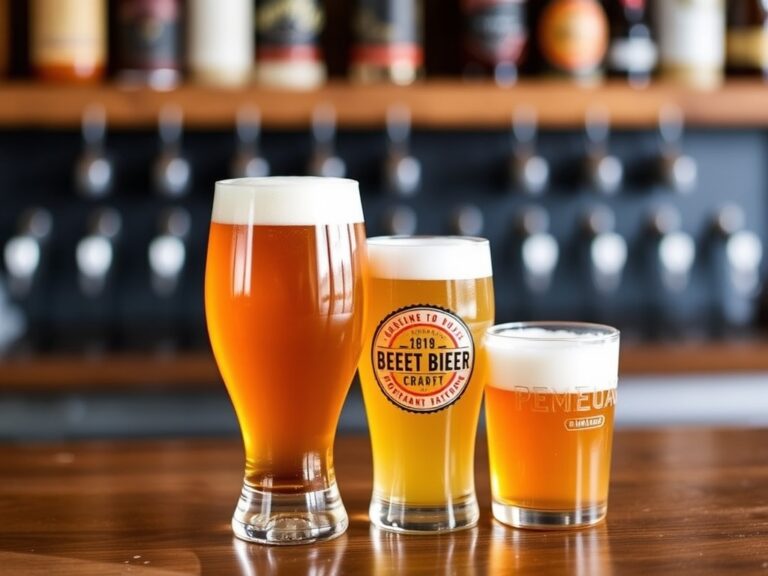
I recommend serving your honey beer slightly chilled in a clean glass to highlight its aroma and flavor. Pouring gently and allowing a slight head to form can also improve the overall experience. In my opinion, presentation matters—adding a slice of citrus or a sprig of herbs can make your honey beer even more inviting.
Troubleshooting Common Honey Beer Brewing Issues
Fermentation Problems
I’ve encountered fermentation stalls when brewing honey beer, often due to temperature fluctuations or insufficient yeast activity. From my experience, ensuring a stable fermentation temperature and using healthy yeast strains can help prevent these issues. If fermentation halts, I recommend gently increasing the temperature or adding a yeast nutrient.
Off-Flavors and How to Avoid Them
In my journey, I’ve learned that over-adding honey or adding it too early can lead to off-flavors like excessive sweetness or undesirable aromas. I recommend adding honey late in the process and tasting your brew during fermentation. Proper sanitation and controlling oxygen exposure are also crucial to prevent spoilage and off-flavors.
Achieving the Perfect Balance of Sweetness
From what I’ve found, balancing the sweetness of honey beer is key to a satisfying drink. I suggest starting with a small batch and adjusting the amount of honey based on taste tests. Aging your brew can also mellow the sweetness and develop more complex flavors.
References and Resources
Throughout my research on honey beer, I’ve found these resources incredibly valuable. I recommend checking them out for additional insights:
Authoritative Sources on honey beer
-
Brewers Association
brewersassociation.orgAn excellent resource for brewing techniques, recipes, and industry standards related to honey beer and home brewing.
-
American Homebrewers Association
homebrewersassociation.orgOffers comprehensive guides and community support for brewing honey beer and other styles at home.
-
British Brewery History
britishbreweryhistory.comProvides historical context and traditional recipes that include honey in brewing, enriching the understanding of honey beer’s heritage.
-
ScienceDirect – Brewing Science
sciencedirect.comAcademic articles on fermentation, honey composition, and flavor development relevant for brewing honey beer.
-
BeerAdvocate
beeradvocate.comCommunity reviews and brewing tips for honey beer styles, providing real-world feedback and inspiration.
-
CraftBeer.com
craftbeer.comFeatures articles on brewing techniques, flavor pairings, and recipes for honey beer enthusiasts.
-
Brew Your Own Magazine
brewyourownmag.comOffers practical guides and recipes for home brewers interested in crafting honey beer and other innovative styles.
-
NPR – The Salt
npr.orgArticles on food trends, including the growing popularity of honey beer in craft brewing communities.
Frequently Asked Questions
What makes honey beer different from regular beer?
In my experience, honey beer stands out because of its added sweetness and floral aroma, which come from the honey. Unlike traditional beer, which relies solely on malt and hops, honey beer incorporates natural honey to create a more complex flavor profile. I’ve found that the type of honey used greatly influences the final taste, making each batch unique.
How do I choose the right honey for brewing honey beer?
From my research and personal experiments, selecting honey depends on the flavor profile you’re aiming for. Floral honeys like orange blossom add delicate aromas, while darker honeys like buckwheat provide a richer, more robust flavor. I recommend tasting different honeys before brewing to understand how they will influence your honey beer.
Can I add honey during fermentation?
Yes, I recommend adding honey during the final stages of brewing or after primary fermentation to preserve its aroma and flavor. In my experience, adding honey too early can lead to fermentation issues or loss of delicate honey notes. Carefully timing the addition helps achieve a well-balanced honey beer.
What are common problems when brewing honey beer?
I’ve encountered issues like stalled fermentation and off-flavors, often due to improper honey addition or temperature fluctuations. To avoid these, I recommend maintaining a consistent fermentation temperature and adding honey at the right time. Proper sanitation and patience are also key to brewing successful honey beer.
How should I serve honey beer?
I suggest serving honey beer slightly chilled in a clear glass to showcase its aroma and color. Personal experience shows that adding a garnish like a citrus slice or herbs can enhance the presentation and aroma. Proper pouring techniques also help in delivering the best tasting experience.
Conclusion
In conclusion, my research on honey beer has shown me that brewing this style is both rewarding and versatile. I believe that the unique flavors brought out by different honeys can truly elevate your home bar and impress your guests. Based on my experience, I recommend experimenting with various honey types and brewing methods to craft a honey beer that reflects your personal taste and creativity. I hope this guide helps you embark on a successful brewing journey and enjoy the sweet, bold flavors of honey beer in your own home.
Find out more information about “honey beer”
Search for more resources and information: