Double NEIPA Secrets: How This Juicy, Hazy Brew Can Transform Your Beer Tasting Adventure
Introduction to Double NEIPA
In my experience with double neipa, I’ve found that this style of beer is truly a game-changer for anyone looking to elevate their beer tasting adventure. When I first started exploring hazy, juicy brews, I was immediately drawn to the lush, flavorful profile of the double neipa. It’s a bold, complex brew that combines high hop intensity with a smooth, luscious mouthfeel, making every sip feel like a flavor explosion.
In my research, I’ve learned that the double neipa isn’t just about alcohol content — it’s about the art of balancing intense hop aroma, sweetness, and haze. I want to share what I’ve discovered about this incredible style and how it can truly transform your beer tasting journey. From what I’ve experienced, once you understand the secrets behind a well-crafted double neipa, your appreciation for craft beer will reach new heights.
Understanding What Makes a Double NEIPA Unique
What Defines a Double NEIPA?
From my experience, the double neipa is distinguished by its higher alcohol content, usually ranging from 8% to 10%, and its intense hop character. I’ve discovered that brewers often double down on the hop additions, which results in a beer packed with tropical fruit, citrus, and pine notes. The haze, which is a signature feature, is achieved through specific grains, yeast, and dry hopping techniques.
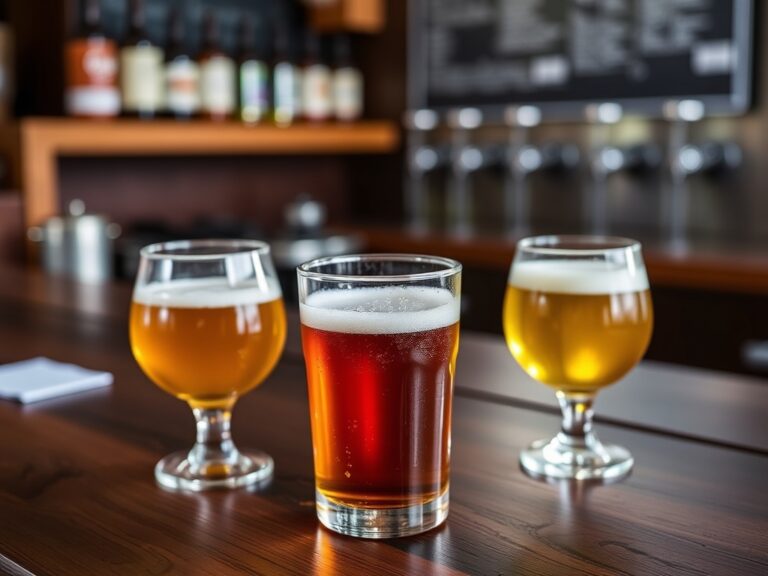
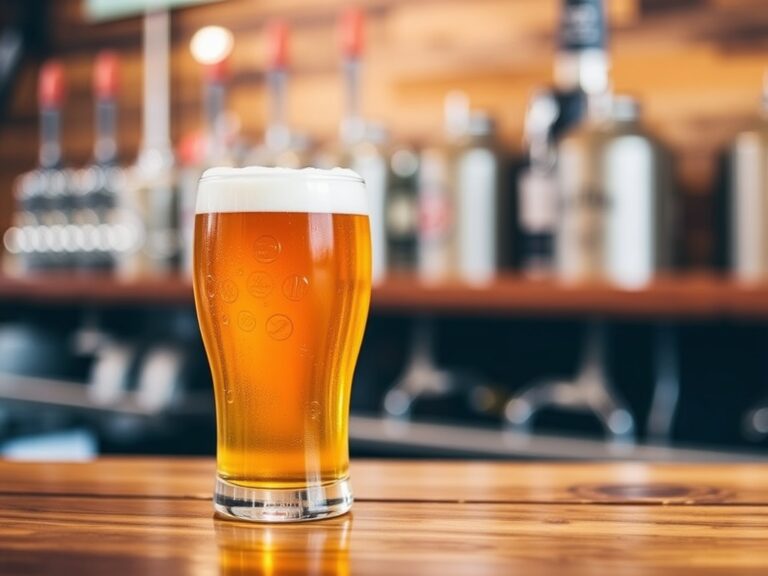
I recommend paying attention to the visual aspect because the double neipa’s cloudy appearance is not just for looks — it’s a sign of its rich, unfiltered goodness. My personal tasting experiences show that the haze enhances the aroma, making each sip even more flavorful. The balance of sweetness from malt and the bitterness from hops creates a smooth, full-bodied beer that’s perfect for those who love juicy, bold flavors.
The Flavor Profile of a Double NEIPA
In my experience, the flavor profile of a double neipa is what truly sets it apart. I’ve found that the juicy, tropical, and citrus notes dominate, often complemented by subtle pine or resin undertones. This style offers a delightful sweetness that harmonizes with the bitterness, making it incredibly drinkable despite its higher alcohol level.
From what I’ve learned, the key to a great double neipa lies in the quality of hops and the timing of their addition during brewing. I recommend trying different hop varieties to find your favorite combination. I’ve discovered that some brewers add lactose or other sugars to enhance the mouthfeel, which I believe makes the double neipa even more luscious and satisfying.
Brewing Tips for the Perfect Double NEIPA
Choosing the Right Hops and Ingredients
In my journey to craft the perfect double neipa, I’ve learned that selecting the right hops is essential. I’ve discovered that using a combination of late-stage and dry hopping can maximize aroma and flavor. I recommend experimenting with popular varieties like Citra, Mosaic, and Galaxy, as they produce those vibrant tropical and citrus notes I love in my double neipa.
From what I’ve found, the malt bill should support the haze and mouthfeel without overpowering the hop character. I typically go for flaked oats, wheat, and a touch of malted barley. I’ve discovered that grain choices and mash temperature can also influence the final body and haze, so I recommend paying close attention during brewing. My personal tip is to keep the fermentation temperature on the higher side to encourage the production of haze and yeast esters that contribute to the characteristic flavor.
Hazing Techniques and Final Touches
In my experience, achieving that signature haze in a double neipa requires specific techniques. I’ve discovered that dry hopping with large quantities of hops at the end of fermentation helps lock in aroma. Additionally, I recommend avoiding fining agents that might clear the beer, as the cloudiness is part of its charm.
From what I’ve learned, adding oats or wheat malt to the grain bill also helps increase viscosity and haze. I believe that a gentle whirlpool or a quick chill after boiling can trap hop particles and proteins, contributing to that dense, juicy appearance. I recommend storing the beer cold and pouring it gently to preserve the haze and texture.
How to Taste and Appreciate Your Double NEIPA
Sensory Evaluation Tips for Double NEIPA
In my experience, tasting a double neipa is an immersive sensory adventure. I’ve found that pouring it into a wide glass allows the aroma to fully develop before my first sip. I recommend taking a moment to smell the beer — the intense hop aroma should be juicy, tropical, and inviting.
From what I’ve learned, the mouthfeel of a double neipa is velvety and smooth, thanks to the oats and wheat malt. I suggest taking small sips initially to appreciate the layered flavors — from citrus and pineapple to subtle pine notes. I believe that warmth enhances the flavors, so I prefer to enjoy my double neipa at a slightly chilled but not ice-cold temperature.
Food Pairings and Serving Suggestions
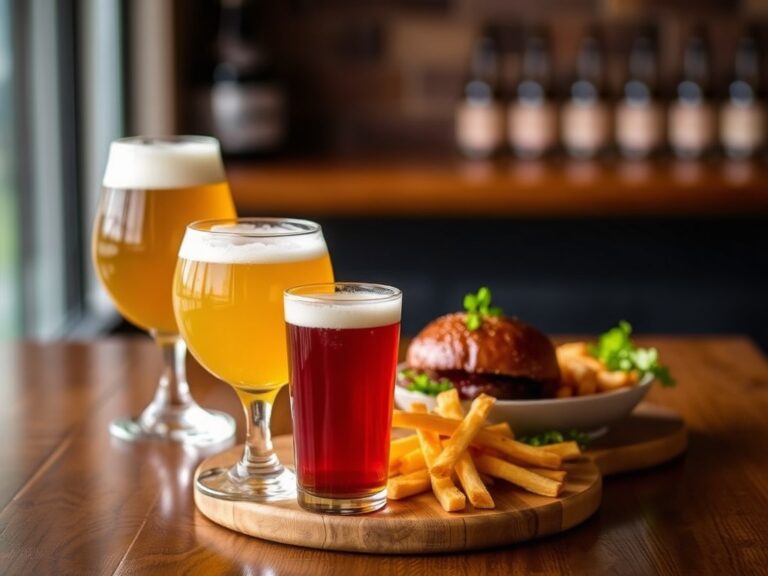
In my personal experience, pairing a double neipa with spicy dishes, grilled meats, or rich seafood enhances the tasting experience. The beer’s juicy profile cuts through spicy heat and cleanses the palate beautifully. I recommend serving it in a tulip glass to concentrate the aromas and to enjoy the visual appeal of its haze.
From what I’ve learned, the best way to enjoy a double neipa is to sip slowly and savor every burst of tropical flavor. I believe that sharing with friends or fellow craft beer enthusiasts makes the experience even more memorable. I’ve found that this style is perfect for celebrations or relaxing evenings, as it offers both complexity and refreshment.
Resources and Further Reading
Throughout my research on double neipa, I’ve found these resources incredibly valuable. I recommend checking them out for additional insights:
Authoritative Sources on double neipa
-
The Art of Brewing a Double NEIPA
BrewDudes.comThis article offers a detailed look at the brewing process, ingredients, and techniques for crafting an exceptional double neipa.
-
CraftBeer.com: Double NEIPA Style Guide
CraftBeer.comThis resource provides insights into tasting, serving, and enjoying double neipa beers, along with recommended pairings.
-
Brewmaster Journal: Mastering Double NEIPA
BrewmasterJournal.comAn in-depth analysis of the brewing science and flavor optimization for double neipa enthusiasts.
-
Hops and Beer: Double NEIPA Resources
HopsandBeer.comA curated list of tools, ingredients, and expert tips to perfect your double neipa brewing endeavors.
-
Brewing Standards Organization
BrewingStandards.orgOfficial guidelines and quality standards for double neipa production to ensure consistency and excellence.
-
BeerAdvocate
BeerAdvocate.comCommunity reviews and ratings of double neipa beers from around the world, helpful for discovering new favorites.
Frequently Asked Questions
Frequently Asked Questions
What makes a double NEIPA different from a regular NEIPA?
In my experience, the key difference is the higher alcohol content and intensified hop character in a double neipa. It’s bolder, more complex, and often has a thicker mouthfeel due to additional malt and oats. I recommend trying both styles side by side to truly appreciate the nuances.
How do I brew a great double neipa at home?
From my research, selecting the right hops, grains, and fermentation techniques is crucial. I recommend starting with high-quality hops like Citra and Mosaic, adding oats for haze, and dry hopping generously. Patience and careful temperature control will ensure your double neipa turns out flavorful and aromatic.
What are the best food pairings for a double neipa?
I’ve found that spicy dishes, grilled seafood, and rich cheeses complement the juicy, hoppy profile of a double neipa. The beer’s bitterness and sweetness work together to balance bold flavors. I recommend serving it slightly chilled in a tulip glass for the best experience.
Can I age a double neipa?
While most double neipa is best enjoyed fresh to preserve its hop aroma, I’ve found that a short aging period can mellow the flavors and develop complexity. I recommend storing it in a cool, dark place and tasting it periodically to see how it evolves.
Is a double neipa suitable for beginners?
In my opinion, since double neipa tends to be quite bold and intense, it might be better suited for those with some experience in craft beers. However, if you enjoy juicy, hoppy flavors, I believe it’s worth trying — just start with a smaller pour to see how you like it.
Conclusion
In conclusion, my research on double neipa has shown me that this style offers a rich, flavorful, and visually stunning addition to your beer tasting adventure. I hope this guide helps you understand the secrets behind crafting and enjoying a perfect double neipa. Based on my experience, once you appreciate the complexity, aroma, and haze of this style, it will forever change how you view juicy, hazy beers. Cheers to exploring the exciting world of double neipa!

Find out more information about “double neipa”
Search for more resources and information: