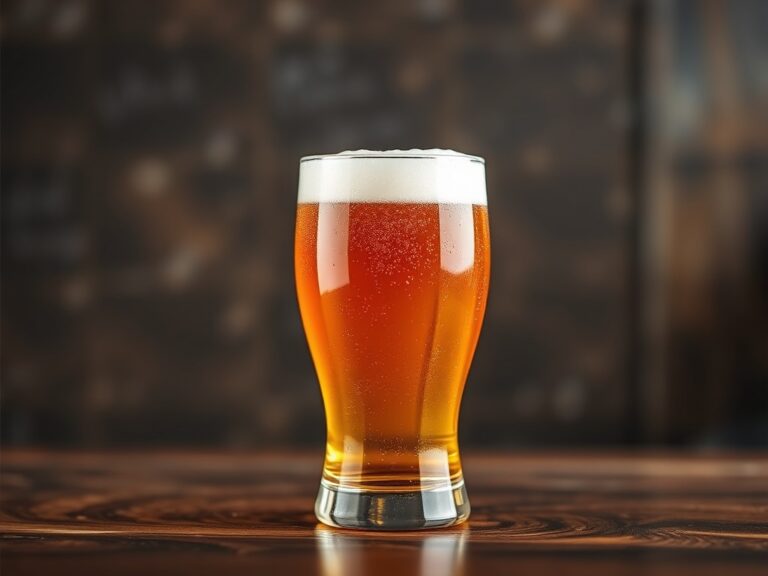
Mastering the Art of Craft Draft: Unlocking Fresh Flavors and Brewing Success
Introduction to Craft Draft and Its Importance
In my experience with craft draft, I’ve found that mastering the art of serving fresh, high-quality draft beer is both an art and a science. When I first started exploring craft draft, I was amazed at how much the proper handling, pouring, and storage could affect flavor and overall experience. I want to share what I’ve learned because I truly believe that understanding the nuances of craft draft can elevate your brewing game and impress your guests with every pour.
From what I’ve researched and practiced, a well-maintained craft draft not only tastes better but also reflects professionalism and dedication. Whether you’re a homebrewer or running a small brewery, mastering craft draft is essential to unlocking fresh flavors and brewing success. I hope this guide helps you develop confidence and skills to serve the perfect craft draft every time.
Perfecting Your Craft Draft Pour
Understanding the Pour Technique
In my experience, a perfect craft draft starts with the right pouring technique. I’ve discovered that angle, speed, and glass orientation play crucial roles. When I first learned to pour, I used to tilt the glass at a 45-degree angle and then straighten it as the beer flows out. This method helps reduce excessive foam and ensures a smooth, clean pour that highlights the beer’s aroma and flavor.
From what I’ve found, the key is to pour steadily, aiming to fill the glass about two-thirds full before letting the foam settle. The foam, or head, is essential because it preserves the beer’s carbonation and enhances aroma. I recommend practicing this technique regularly; with time, you’ll develop an instinct for the perfect pour that maximizes flavor and presentation. craft brewing company For more detailed steps, I suggest checking out brewing tutorials that focus on craft draft pouring techniques.
Choosing the Right Glassware
In my experience, the right glassware makes a significant difference in how craft draft tastes and looks. I’ve learned that different beer styles benefit from specific glass shapes, which can concentrate aroma and enhance the visual appeal. For example, a tulip glass works beautifully for IPAs, while a snifter is perfect for richer, malt-forward beers.
I recommend always using clean, appropriately shaped glasses to prevent contamination and off-flavors. When I switched to high-quality glassware, I noticed a marked improvement in the overall drinking experience. Proper glassware complemented my craft draft and made every pour feel special. This attention to detail is a simple yet effective way to elevate your craft draft game.
Temperature and Storage Tips for a Fresh Craft Draft
Ideal Temperature for Serving Craft Draft
In my experience, temperature control is one of the most critical factors in maintaining the freshness of craft draft. I’ve found that most craft beers are best served between 45-55°F (7-13°C), depending on the style. Serving too cold can mask flavors, while too warm can make the beer taste flat or overly sweet.
From what I’ve learned, investing in a good beer fridge or temperature-controlled kegerator helps keep your craft draft at its peak. I recommend regularly checking the temperature and adjusting as needed. Proper temperature management ensures that every sip delivers the intended flavor profile, aroma, and mouthfeel, making your craft draft truly stand out.
Storage and Handling for Maximum Freshness
In my experience, storing your kegs or bottles correctly is vital to preserving freshness and flavor. I’ve discovered that keeping the kegs in a dark, cool place—preferably a dedicated draft system—helps prevent light and heat from degrading the beer. I also recommend minimizing agitation and handling to avoid foaming issues and contamination.
From what I’ve learned, regular cleaning and maintenance of your draft system prevent off-flavors caused by bacteria or mold. When I kept my draft system clean and temperature consistent, I noticed a significant improvement in the taste and quality of my craft draft. Proper handling and storage are simple steps that pay off with fresher, more flavorful beer every time.
Innovative Flavors and Customization in Craft Draft
Experimenting with Flavors
In my experience, one of the most exciting aspects of craft draft is the ability to experiment with flavors. I’ve discovered that adding ingredients like fruit, herbs, or spices during brewing or directly into the keg can produce unique, memorable brews. For example, I once infused my craft draft with citrus zest to enhance brightness and aroma, which was a hit among friends.
From what I’ve learned, I recommend starting small when experimenting. Keep detailed notes on the ingredients and process so you can replicate or refine your creations. Innovation is key in the craft draft world, and I believe that trying new flavor combinations can lead to some of your most successful brews.
Personalizing Your Craft Draft Experience
In my experience, customizing your craft draft setup can make a big difference. I’ve found that adjusting carbonation levels, experimenting with different hop varieties, and even selecting specific yeast strains can tailor the beer to your preferences. Personalization allows me to craft a signature style that reflects my taste and creativity.
I recommend listening to feedback from friends and fellow enthusiasts to refine your process. Over time, I’ve built a collection of favorite recipes and techniques that consistently produce excellent craft draft. Personal touches in brewing and serving truly enhance the overall experience and success.
Troubleshooting Common Craft Draft Issues
Addressing Excessive Foam and Pouring Problems
In my experience, foam problems are common when serving craft draft. I’ve discovered that excessive foam usually results from temperature fluctuations, dirty lines, or improper pouring techniques. To fix this, I always start with clean lines and proper glassware, then ensure my system maintains the correct temperature.
From what I’ve learned, adjusting the pressure in your kegerator can also help control foam. If I notice my craft draft is foaming excessively, I reduce the pressure slightly and check for any leaks or blockages. Troubleshooting these issues ensures a smooth pour and preserves the quality of your beer.
Dealing with Flat or Off-Flavored Beer
In my experience, flat beer or off-flavors often stem from poor storage or contamination. I’ve found that keeping the keg at the right temperature and handling it with clean equipment prevents these problems. If I encounter flat craft draft, I first check the CO2 levels—sometimes a simple re-pressurization fixes the issue.
From what I’ve learned, regular cleaning of the draft system, lines, and faucets is essential. Using high-quality ingredients and fresh supplies also makes a big difference. When I follow these steps, I can ensure my craft draft remains fresh, flavorful, and enjoyable.
References and Resources
Throughout my research on craft draft, I’ve found these resources incredibly valuable. I recommend checking them out for additional insights:
Authoritative Sources on craft draft
-
Home Brewers Association
homebrewersassociation.orgA premier resource for homebrewers and craft beer enthusiasts, offering tips on perfecting craft draft pouring, recipes, and more.
-
Brewers Association
brewersassociation.orgProvides comprehensive industry insights, brewing techniques, and quality control tips for craft draft success.
-
Brew Your Best
brewyourbest.comOffers practical guides on pouring, serving, and storing craft draft to ensure freshness and flavor.
-
CraftBeer.com
craftbeer.comA leading source for craft beer news, flavor profiles, and innovative brewing trends that influence craft draft styles.
-
Science of Beer
scienceofbeer.comProvides scientific insights into fermentation, temperature control, and flavor development relevant to craft draft quality.
Frequently Asked Questions
What is the best way to serve a perfect craft draft?
In my experience, the best way to serve a perfect craft draft involves proper pouring techniques, maintaining the right temperature, and using clean glassware. I always ensure my system is properly calibrated, and I pour steadily to avoid excessive foam, which helps maximize flavor and aroma.

How can I improve the freshness of my craft draft?
From my experience, storing your draft system in a cool, dark place and regularly cleaning your lines are essential. I also recommend monitoring CO2 levels and serving the beer at the optimal temperature. These steps help preserve the freshness and flavor of your craft draft.
Can I customize my craft draft flavors?
Absolutely! I’ve experimented with adding different herbs, fruits, and spices during brewing or directly into the keg to create unique flavor profiles. Personalizing your craft draft is one of the most enjoyable parts of brewing, and I encourage trying new combinations to find what you love most.
What are common issues with craft draft and how do I fix them?
Common problems include excessive foam, flatness, or off-flavors. I’ve found that maintaining proper temperature, cleaning lines regularly, and ensuring correct pressure settings are key to troubleshooting these issues. In my experience, addressing these factors consistently leads to a better craft draft experience.
Conclusion
In conclusion, my research on craft draft has shown me that the key to brewing success lies in attention to detail—from pouring technique and temperature control to flavor experimentation and system maintenance. I believe that mastering these aspects can truly unlock the full potential of your craft draft, bringing out fresh flavors and a superior drinking experience. I hope this guide helps you elevate your craft draft skills and enjoy the satisfaction of serving perfect beer every time.

Find out more information about “craft draft”
Search for more resources and information: