Elevate Your Tasting Experience with a Curated Craft Beer Selection That Delivers Diversity and Quality
In my experience with craft beer selection, I’ve learned that choosing the right beers can truly transform any gathering or personal tasting session. When I first started exploring craft beer, I realized that a well-curated craft beer selection isn’t just about picking popular brews—it’s about creating an experience that offers diversity and quality. Over time, I’ve found that a thoughtful craft beer selection can elevate the entire tasting journey, making it more engaging and memorable for everyone involved.
I want to share what I’ve learned on how to craft a craft beer selection that delivers both variety and excellence. From what I’ve discovered, a balanced approach—combining different styles, flavors, and breweries—can make all the difference. Whether you’re a seasoned connoisseur or just starting out, I believe that curating the right craft beer selection enhances your appreciation and enjoyment of beer like never before.
Understanding the Importance of a Thoughtful Craft Beer Selection
Why a Well-Curated Craft Beer Selection Matters
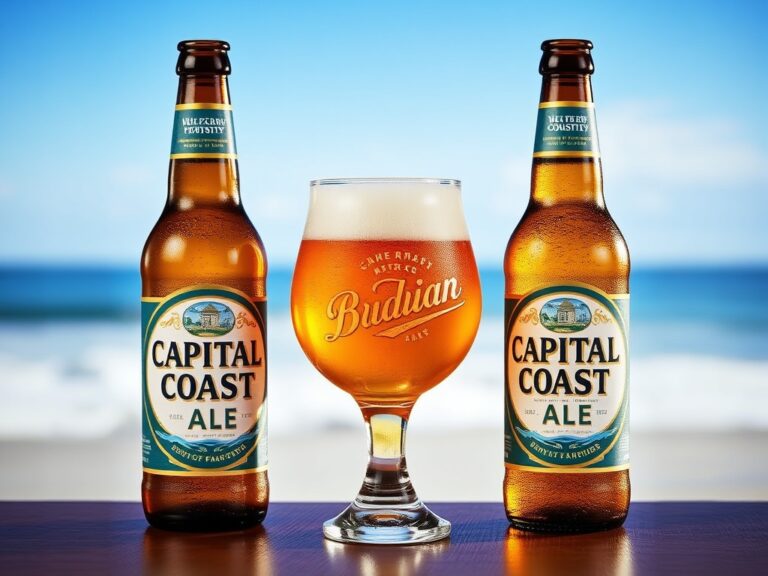
In my experience, the craft beer selection you choose plays a pivotal role in shaping your tasting experience. I’ve found that having a variety of styles—from IPAs to stouts—keeps the tasting interesting and broadens your palate. A carefully curated selection allows me to explore different brewing techniques and flavor profiles, which is essential for any beer enthusiast looking to deepen their knowledge.
From what I’ve learned, a diverse craft beer selection also makes social gatherings more enjoyable. It offers something for everyone, whether they prefer hoppy beers or rich, malty brews. I recommend taking the time to research and select beers that complement each other, creating a harmonious tasting experience that highlights quality and variety.
How a Diverse Craft Beer Selection Enhances Tasting Experiences
In my experience, diversity within your craft beer selection is key to keeping things exciting. I’ve discovered that sampling different styles not only educates my palate but also introduces me to new breweries and brewing methods. This variety ensures that every sip offers something unique, making each tasting session a journey of discovery.
I believe that a well-rounded craft beer selection facilitates conversation and shared appreciation among friends. It’s about more than just drinking beer—it’s about experiencing a spectrum of flavors and textures that showcase the artistry of brewing. I recommend curating a craft beer selection that balances familiar favorites with adventurous new brews for the best results.
How to Curate a Diverse and High-Quality Craft Beer Selection
Strategies for Selecting the Best Beers
From my research and personal journey, I’ve learned that selecting quality beers for your craft beer selection requires a mix of research and intuition. I recommend starting with reputable breweries known for their craftsmanship and consistency. I usually pick a few flagship beers and then expand to seasonal or limited-edition releases to add variety.
Additionally, I suggest considering the preferences of your guests or yourself. If you’re creating a personal tasting, I recommend including a mix of session beers for easy drinking and more complex brews for savoring. This approach ensures that your craft beer selection is both diverse and of high quality, fostering a richer tasting experience.
Balancing Styles and Flavors in Your Craft Beer Selection
In my opinion, the key to a successful craft beer selection is balance. I’ve found that including a range of styles—such as pale ales, lagers, stouts, and sours—keeps the tasting dynamic. I recommend choosing beers with different flavor profiles, from hoppy and bitter to smooth and sweet, to appeal to various tastes and create a well-rounded experience.
From what I’ve learned, pairing beers with complementary flavors can also enhance your tasting. For example, a spicy curry pairs wonderfully with a malty brown ale, while a citrusy IPA can brighten up a seafood dish. I believe that thoughtful pairing and style diversity make your craft beer selection truly stand out.
Exploring Different Styles Within Your Craft Beer Selection
Popular Styles and How to Incorporate Them
In my experience, exploring a variety of beer styles is essential for a memorable craft beer selection. I’ve found that starting with classics like American Pale Ales and Belgian Wits provides a solid foundation. Then, I like to add some unique styles such as sour ales or barrel-aged brews for a touch of complexity.
I recommend trying beers from different regions as well—American, European, and experimental breweries—to broaden your horizons. This diversity not only enhances your palate but also helps you appreciate the craftsmanship behind each style, making your craft beer selection more comprehensive and exciting.
How to Identify Quality Craft Beers
In my experience, quality is the cornerstone of a great craft beer selection. I’ve learned to look for beers with clear labeling, detailed descriptions, and reputable brewing companies. Tasting notes and reviews from other enthusiasts can also guide your choices.
I recommend visiting local breweries or specialty stores where staff can offer recommendations. From what I’ve seen, selecting beers with balanced ingredients and consistent brewing processes guarantees a high-quality craft beer selection that delivers on flavor and authenticity.
Tips for Enjoying and Sharing Your Craft Beer Selection
Creating the Perfect Tasting Environment
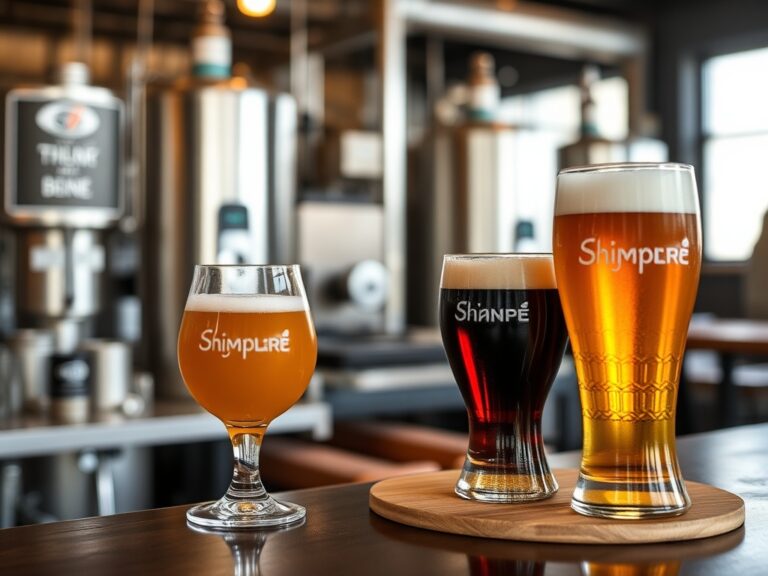
In my opinion, setting the right environment is key to fully appreciating your craft beer selection. I prefer to serve beers at the appropriate temperatures—chill lagers but serve stouts slightly warmer to bring out their aromas. Using proper glassware also enhances the tasting experience.
From my experience, organizing a tasting with friends or family adds a social dimension that amplifies enjoyment. I recommend providing tasting notes or scorecards to encourage discussion and exploration, making your craft beer selection even more memorable.
Sharing Your Craft Beer Selection with Others
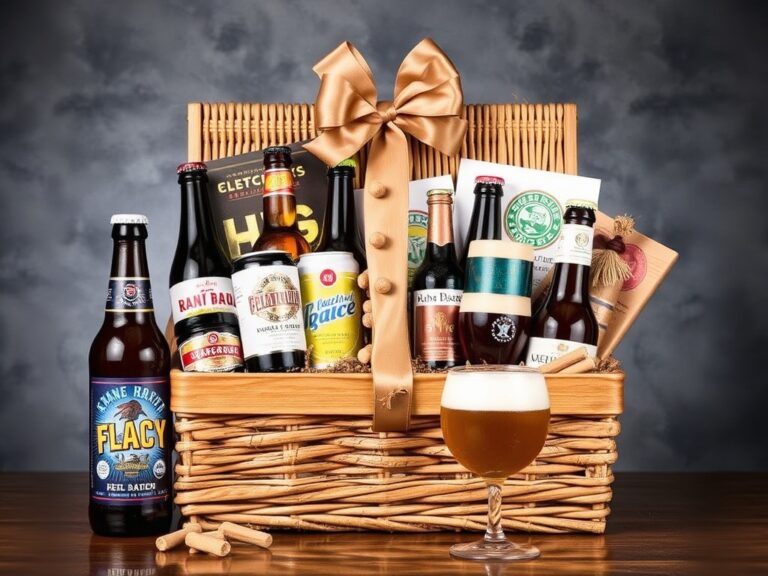
I believe that sharing your craft beer selection is one of the best parts of being a beer enthusiast. I’ve found that introducing friends to new styles and breweries creates a sense of discovery and camaraderie. I usually prepare small tasting pours so everyone can sample multiple beers without feeling overwhelmed.
From what I’ve learned, pairing beers with suitable snacks enhances the tasting experience. Cheese, nuts, and charcuterie are always great additions. Ultimately, I recommend approaching sharing as an opportunity to learn from others and expand your appreciation for the diversity within your craft beer selection.
References and Resources
Throughout my research on craft beer selection, I’ve found these resources incredibly valuable. I recommend checking them out for additional insights:
Authoritative Sources on craft beer selection
-
Brewers Association
brewersassociation.orgAn industry leader providing extensive resources on brewing styles, quality standards, and how to curate a top-notch craft beer selection.
-
BeerAdvocate
beeradvocate.comA community-driven platform offering reviews and ratings that help in selecting high-quality beers for your craft beer selection.
-
CraftBeer.com
craftbeer.comAn authoritative source for news, styles, and tips on curating an exceptional craft beer selection.
-
National Park Service – Beer Resources
npca.orgProvides insights into regional beer styles, helping me diversify my craft beer selection with local and international options.
-
Journal of Craft Beer Studies
academic.oup.comAn academic journal offering in-depth research on brewing techniques, ingredients, and trends, which helps me refine my craft beer selection.
-
Brewbound
brewbound.comIndustry news and market trends that inform my choices when curating a craft beer selection for different occasions.
-
RateBeer
ratebeer.comA comprehensive review site that helps me identify high-quality beers to add to my craft beer selection.
Frequently Asked Questions
How do I start building a craft beer selection for beginners?
In my experience, starting with popular, versatile styles like pale ales, lagers, and wheat beers is a great way to begin. I recommend visiting local breweries or specialty stores to get recommendations and tasting samples. This approach helps you understand your preferences and build a foundation for a diverse craft beer selection.
What should I consider when curating a craft beer selection for a party?
In my view, you should consider the preferences of your guests, ensuring a variety of styles and flavors. I recommend including both light, easy-drinking beers and some more robust options for variety. Presentation matters too—using different glassware and offering tasting notes can make the experience more engaging.
How often should I update my craft beer selection?
Based on my experience, I suggest refreshing your craft beer selection every few months to keep things interesting. Trying new releases and seasonal brews ensures that your tasting experience remains dynamic and educational.
Can I include homemade or local beers in my craft beer selection?
Absolutely! I’ve found that local and homemade beers add a special touch to my craft beer selection. They often showcase regional ingredients and brewing techniques, making your selection more unique and personal. I recommend supporting local breweries whenever possible.
Conclusion
In conclusion, my research on craft beer selection has shown that thoughtful curation is key to elevating your tasting experience. By focusing on diversity, quality, and personal preferences, I believe you can create a memorable journey through the world of craft beers. I hope this guide helps you develop a craft beer selection that delights your palate and impresses your friends. Remember, the best craft beer selection is one that reflects your taste and curiosity—so have fun exploring and sharing!
Find out more information about “craft beer selection”
Search for more resources and information: