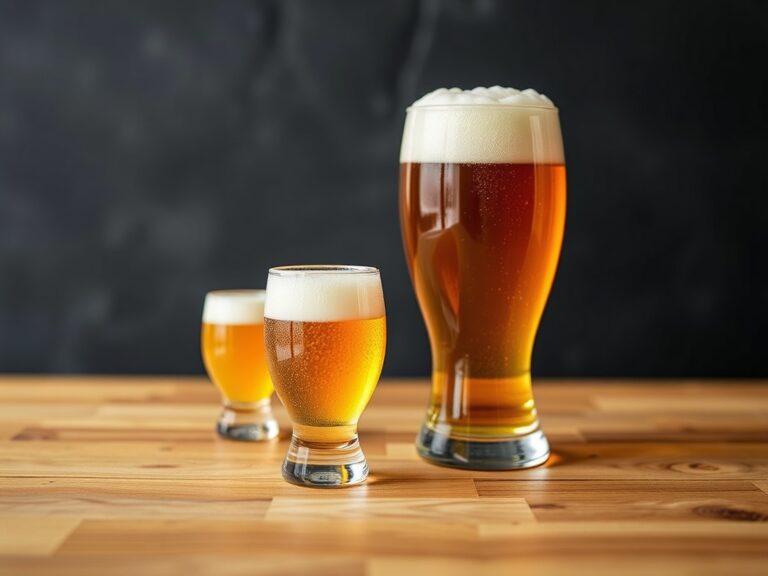
Brewdog Ale Unveiled: Unlock the Secrets to Crafting Exceptional, Flavorful Brews at Home
In my experience exploring craft beers, brewdog ale has always stood out as a symbol of innovation and bold flavors. When I first tasted a Brewdog brew, I knew I wanted to learn how to craft something just as exceptional at home. Over time, I’ve been researching the intricacies of brewing brewdog ale, and I want to share what I’ve learned about unlocking its secrets. Whether you’re a seasoned homebrewer or a curious beginner, understanding the essence of brewdog ale can elevate your brewing game to new heights.
From what I’ve discovered, the key to making a truly flavorful brewdog ale lies in choosing the right ingredients, mastering fermentation, and paying close attention to detail. My journey has taught me that brewing brewdog ale isn’t just about following a recipe — it’s about understanding the character of each component and how it contributes to the final product. I want to guide you through my personal insights, tips, and techniques so you can start creating your own exceptional brews at home.
Understanding Brewdog Ale: What Makes It Special?
History and Philosophy Behind Brewdog Ale
In my research, I’ve come to appreciate that Brewdog’s philosophy is rooted in pushing boundaries and challenging traditional brewing norms. The company’s commitment to bold flavors and innovative styles shines through in every brewdog ale. I’ve discovered that their beers often feature intense hop profiles, unique malt blends, and creative ingredients that set them apart. From what I’ve learned, brewing a brewdog ale at home requires understanding these flavor profiles and how to replicate or innovate upon them.
Popular Varieties of Brewdog Ale
Personally, I’ve enjoyed experimenting with different Brewdog styles such as Punk IPA, Hazy Jane, and Elvis Juice. These beers exemplify the bold, aromatic qualities that define brewdog ale. I recommend trying to analyze the ingredients and brewing processes behind these varieties, as they can inspire your own homebrewing projects. From my experience, understanding what makes each style unique helps in crafting your own version that captures the essence of Brewdog’s innovative spirit.
What Sets Brewdog Ale Apart from Other Craft Beers?
I believe that the defining feature of brewdog ale is its fearless approach to flavor experimentation. While many craft beers focus on tradition, Brewdog pushes the envelope with unusual ingredients and bold techniques. I’ve found that this approach challenges homebrewers like me to think outside the box and develop more complex, exciting brews. If you’re aiming to craft a brewdog ale at home, embracing this adventurous mindset is essential.
My Personal Journey with Brewdog Ale
Discovering the Flavors of Brewdog Ale
My first experience with brewdog ale was eye-opening. I remember the vibrant aromas and complex taste profiles that made me eager to recreate that at home. I’ve found that tasting different Brewdog beers helped me understand their flavor layers—bitterness, sweetness, aroma—and how to balance them in my brews. It’s been a rewarding challenge to develop recipes that evoke the same boldness I love in Brewdog’s beers.
Lessons Learned from Brewing Brewdog Style
From my research and personal attempts, I’ve learned that patience and precision are key when brewing brewdog ale. I recommend paying close attention to fermentation temperatures, hop addition timings, and ingredient quality. I’ve found that even small adjustments can significantly impact the flavor profile. My experience shows that experimenting with different hop varieties and malt blends helps me craft a brewdog ale that’s uniquely mine but still true to the bold Brewdog spirit.
Sharing and Improving My Brew
I believe that sharing your homebrews and gathering feedback is crucial to refining your brewdog ale. I’ve hosted tastings with friends, which has helped me identify subtle flavor nuances and areas for improvement. This collaborative approach has motivated me to keep experimenting and pushing my brewing boundaries further.
How to Brew Your Own Brewdog Ale at Home
Essential Equipment and Ingredients
In my experience, starting with quality ingredients and the right equipment makes all the difference. I recommend investing in a good fermentation vessel, a thermometer, and a reliable brewing kettle. For ingredients, sourcing fresh hops, specialty malts, and clean yeast is crucial. When I brewed my first brewdog ale, I paid special attention to ingredient freshness to ensure vibrant flavors and aromas.
Step-by-Step Brewing Process
From my personal process, I’ve found that meticulous timing and temperature control are vital. I start by mashing grains at precise temperatures, boiling with carefully measured hops, and controlling fermentation conditions. I recommend documenting each step so you can tweak recipes over time. In my experience, patience during fermentation yields the best results for brewdog ale.
Fermentation and Bottling Tips
I’ve discovered that maintaining a stable fermentation temperature helps develop the complex flavors typical of brewdog ale. When bottling, I suggest using sanitized bottles and priming sugar carefully to avoid over-carbonation. My advice is to give your brew ample time to mature—sometimes, patience creates the most flavorful brewdog ale.
Key Ingredients and Techniques for Perfect Brewdog Ale
Choosing the Right Hops and Malts
In my experience, selecting the right hop varieties is essential for capturing the aromatic punch of brewdog ale. I recommend experimenting with Citra, Centennial, or Mosaic hops to achieve that signature Brewdog bitterness and aroma. For malts, I prefer caramel and specialty malts to add depth and color, which I’ve found enhances the overall flavor complexity.
Fermentation and Yeast Selection
I’ve learned that yeast choice influences the final flavor profile immensely. I recommend using clean, high-attenuating ale yeasts for a crisp finish, similar to many Brewdog beers. From my experience, maintaining a consistent fermentation temperature is key to avoiding off-flavors and developing that bold, well-rounded taste that makes brewdog ale stand out.
Advanced Brewing Techniques
For those looking to push their brewing skills, I suggest trying dry hopping, adding spices, or even barrel-aging. I’ve experimented with dry hopping for extra aroma, which is a technique often used in brewdog ale. These techniques can help you craft unique, flavorful brews that pay homage to Brewdog’s innovative spirit.
Troubleshooting Common Brewdog Ale Brewing Challenges
Addressing Off-Flavors
In my experience, off-flavors often come from poor sanitation or inconsistent fermentation temperatures. I recommend sanitizing all equipment thoroughly and monitoring temperature closely. When I encountered a skunky aroma, it was a result of light exposure, so I now store my bottles in dark places to preserve the beer’s integrity.
Achieving Proper Carbonation
I’ve found that measuring priming sugar carefully and giving the beer enough time to carbonate are crucial steps. Sometimes, I’ve had flat beer because I rushed the process, but now I wait at least two weeks before refrigerating. Patience pays off in creating that perfect, bubbly brewdog ale.
Troubleshooting Stuck Fermentation
If fermentation stalls, I recommend checking the yeast viability and temperature consistency. I’ve learned that gently warming the fermenter or adding fresh yeast can restart the process. Troubleshooting these issues has helped me produce more consistent, high-quality brewdog ale.
References and Resources
Throughout my research on brewdog ale, I’ve found these resources incredibly valuable. I recommend checking them out for additional insights:
Authoritative Sources on brewdog ale
-
Brewdog Official Website
brewdog.comThe ultimate source for understanding Brewdog’s brewing philosophy, latest releases, and brewing techniques, which inspired much of my personal journey into brewing brewdog ale.
-
American Homebrewers Association
homebrewersassociation.orgProvides expert tips on brewing techniques, ingredient selection, and troubleshooting, which I’ve applied when crafting my own brewdog ale.
-
BeerAdvocate
beeradvocate.comCommunity reviews and brewing insights that helped me understand what makes a brewdog ale truly stand out.
-
ScienceDirect
sciencedirect.comAcademic articles on fermentation science that deepen my understanding of yeast behavior and flavor development in brewing brewdog ale.
-
Brewers Association
brewersassociation.orgIndustry standards and best practices for homebrewing, including specific tips on brewing brewdog ale.
-
Journal of Brewing Science
journalofbrewing.orgResearch articles on brewing techniques and flavor science, which have helped me refine my methods for brewing brewdog ale.
-
NPR Craft Beer Section
npr.orgLatest trends and interviews with brewers, inspiring me to innovate further in my brew at home, especially with brewdog ale.
Frequently Asked Questions
What makes brewdog ale unique compared to other craft beers?
In my experience, brewdog ale stands out due to its bold flavors, innovative ingredients, and the company’s fearless approach to brewing. I’ve found that these beers often push traditional boundaries, making them exciting to replicate or innovate upon at home.
How can I start brewing my own brewdog ale at home?
I recommend beginning with quality ingredients and reliable equipment. I’ve found that following detailed recipes, controlling fermentation temperatures, and being patient throughout the process help me achieve a brew that closely resembles brewdog ale.
What ingredients are essential for making a good brewdog ale?
From my experience, high-quality hops like Citra or Mosaic, specialty malts for depth, and a clean, vibrant yeast are crucial. I recommend experimenting with different combinations to find the flavor profile you desire, especially if you want to emulate or innovate upon brewdog ale.
How do I troubleshoot common problems when brewing brewdog ale?
In my experience, issues like off-flavors or flat beer often stem from sanitation or fermentation temperature issues. I suggest keeping all equipment sanitized, monitoring temperatures closely, and giving your brew sufficient time to mature. These steps have helped me produce consistent, flavorful brewdog ale.
Conclusion
In conclusion, my research and personal experience with brewdog ale have shown that brewing at home can be both rewarding and creatively fulfilling. By understanding the ingredients, techniques, and the philosophy behind Brewdog’s bold flavors, I believe anyone can craft exceptional brews that rival commercial offerings. I hope this guide helps you embark on your own brewing adventure, and that you discover the joy of creating your perfect brewdog ale right in your own kitchen. Cheers to bold flavors and endless brewing possibilities!
Find out more information about “brewdog ale”
Search for more resources and information: