Unlock the Rich Flavors of the Best Ale: Your Guide to Crafting and Choosing the Perfect Brew
In my experience with best ale, I’ve discovered that the right brew can truly elevate any moment, whether I’m relaxing alone or sharing with friends. I want to share what I’ve learned about how to identify, enjoy, and even craft the best ale to suit every palate and occasion. From my research and personal tasting adventures, I’ve found that the best ale combines quality ingredients, balanced flavors, and a touch of craftsmanship that makes it stand out.
Throughout this guide, I’ll walk you through my journey in exploring the best ale, including how to choose it, what to look for, and even how to create your own. If you’re like me and love uncovering new flavors, I believe you’ll find this information both inspiring and practical. So, let’s dive into the world of the best ale and unlock its rich, complex flavors together.
Understanding What Makes the Best Ale
The Key Characteristics of the Best Ale
In my experience, the best ale possesses a harmonious balance of flavors that tickle the palate. I’ve found that a good ale should have a clear aroma, a well-rounded taste, and a satisfying finish. When I’m tasting a best ale, I look for ingredients like quality malt, hops, yeast, and water—each playing a crucial role in the final product.
From what I’ve learned, the best ale can vary widely, from hoppy IPAs to smooth stouts. The secret lies in the craftsmanship behind it and how well the flavors are integrated. I recommend paying attention to the brewing process and the source of the ale, as these factors heavily influence the quality and taste. Once you understand what makes a best ale exceptional, your ability to pick and enjoy top-tier brews will significantly improve.
Types of Ale That Define the Best
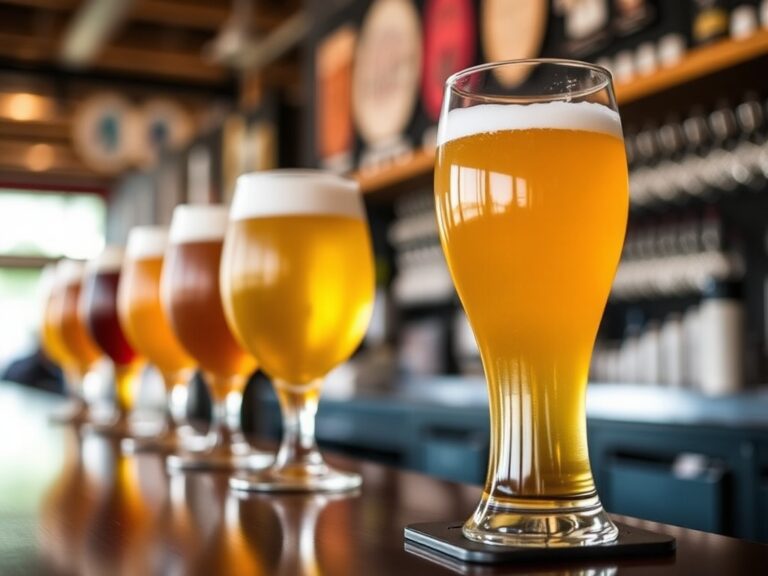
In my opinion, the best ale isn’t limited to just one style. I’ve discovered that the variety—from pale ales and IPAs to porters and stouts—each has its own charm. The key is finding the style that resonates with your personal taste and suits the occasion. I’ve found that exploring different styles has opened my palate to new flavors and brewing traditions.
From my research, I’ve also learned that some of the best ale brands are dedicated to brewing with traditional methods, ensuring rich, authentic flavors. Whether you prefer a crisp, refreshing pale ale or a bold, roasted porter, I believe the best ale for you is out there—waiting to be discovered through tasting and exploration.
My Personal Journey with the Best Ale
Discovering My Favorite Styles
My journey with the best ale started with a simple curiosity—trying different brews at local breweries and beer festivals. I’ve discovered that I really enjoy the complexity of a well-crafted IPA, but I also have a soft spot for rich stouts. Each new best ale I tried added to my appreciation for the diversity within the world of ales.
From my experience, the best ale is often the one that surprises me with its flavor profile or brewing story. I recommend keeping an open mind and tasting a variety of styles to identify what truly resonates with your taste buds. Over time, I’ve learned that the best ale for me is one that balances tradition with innovation—something that I can enjoy sip after sip.
Favorite Breweries and Hidden Gems
I’ve found that some of the best ale experiences come from small, local breweries that focus on quality and creativity. I recommend seeking out these hidden gems in your area; they often produce some of the most memorable brews I’ve ever tasted. My personal favorites include breweries that emphasize freshness and unique ingredients, making each <a href="#INTERNAL_LINK_best ale experience special.
From what I’ve learned, supporting these smaller breweries not only helps you find the <a href="#INTERNAL_LINK_best ale), but it also keeps the craft beer movement alive and thriving. I believe that exploring these sources has enriched my understanding of what makes the <a href="#INTERNAL_LINK_best ale) truly exceptional.
How to Select the Best Ale for Any Occasion
Matching Ale Styles to Occasions
In my experience, choosing the <a href="#INTERNAL_LINK_best ale) depends heavily on the occasion. For casual gatherings, I recommend lighter, refreshing ales like pale ales or session beers. When I want to unwind after a long day, I often turn to a rich stout or porter for their comforting flavors. Knowing the <a href="#INTERNAL_LINK_best ale) style that fits the moment helps me enjoy each sip even more.
From my research, I’ve found that the <a href="#INTERNAL_LINK_best ale)’s flavor profile should complement the food or setting. For example, I recommend pairing a hoppy IPA with spicy cuisine or a smooth amber ale with grilled meats. When I select the <a href="#INTERNAL_LINK_best ale), I pay attention to the aroma and appearance as clues to its suitability for the occasion.
How to Identify the Best Ale on the Shelf
In my opinion, the <a href="#INTERNAL_LINK_best ale)’s label and brewing details tell you a lot about its quality. I’ve discovered that I always check the ingredients list, alcohol content, and brewing date. The <a href="#INTERNAL_LINK_best ale) that is fresh and made with high-quality ingredients is more likely to be the <a href="#INTERNAL_LINK_best ale) I’ll enjoy most.
From what I’ve learned, I recommend tasting a few different options before making a choice. Sometimes, I find that the <a href="#INTERNAL_LINK_best ale) with a more vibrant aroma and balanced bitterness is the one I consider the best. Your personal preferences will guide you, but understanding what makes a <a href="#INTERNAL_LINK_best ale) exceptional can help you make smarter selections every time.
Crafting Your Own Best Ale at Home
Getting Started with Home Brewing
In my experience, brewing the <a href="#INTERNAL_LINK_best ale) at home is one of the most rewarding ways to truly understand what makes it special. I’ve discovered that starting with a good recipe and quality ingredients is essential. I recommend investing in a beginner’s home brewing kit and following step-by-step instructions to get started.
From what I’ve learned, the key to creating the <a href="#INTERNAL_LINK_best ale) that you love is patience and attention to detail. I recommend keeping notes on each batch and tasting critically to refine your process. With time and practice, I believe you can craft a <a href="#INTERNAL_LINK_best ale) that rivals the finest commercial brews.
Essential Ingredients for a Great Homebrew
In my view, the <a href="#INTERNAL_LINK_best ale)’s quality depends heavily on selecting the right ingredients. I’ve found that fresh malt, quality hops, and clean water are non-negotiable. I recommend sourcing ingredients from reputable suppliers to ensure your brew’s flavor profile is top-notch.

From my research, I’ve learned that experimentation with different hop varieties and malt types can help you develop your own signature <a href="#INTERNAL_LINK_best ale) style. My advice is to start simple, learn the basics, and gradually introduce complexity to craft your own <a href="#INTERNAL_LINK_best ale) masterpiece.
References and Resources
Throughout my research on <a href="#INTERNAL_LINK_best ale), I’ve found these resources incredibly valuable. I recommend checking them out for additional insights:
Authoritative Sources on <a href="#INTERNAL_LINK_best ale)
-
American Homebrewers Association
homebrewersassociation.orgAn excellent resource for aspiring brewers looking to craft their own <a href="#INTERNAL_LINK_best ale). It offers guides, recipes, and community support.
-
Brewers Association
brewersassociation.orgProvides industry standards, quality guidelines, and insights into the <a href="#INTERNAL_LINK_best ale) market trends.
-
BeerAdvocate
beeradvocate.comA community-driven site with reviews, tasting notes, and discussions about the <a href="#INTERNAL_LINK_best ale) and brewing techniques.
-
CraftBeer.com
craftbeer.comProvides educational content about different beer styles, brewing tips, and the <a href="#INTERNAL_LINK_best ale) scene.
-
Research on Beer and Brewing
ncbi.nlm.nih.govOffers scientific insights into the fermentation process and the health benefits of moderate beer consumption, including the <a href="#INTERNAL_LINK_best ale) aspects.
-
Tastings.com
tastings.comGreat for exploring detailed reviews and tasting notes on various <a href="#INTERNAL_LINK_best ale) brands and styles.
-
BrewDog
brewdog.comAn innovative brewery that showcases creative brewing styles and the <a href="#INTERNAL_LINK_best ale) they produce, inspiring home brewers worldwide.
Frequently Asked Questions
What makes a best ale stand out from others?
In my experience, the best ale stands out due to its balanced flavors, high-quality ingredients, and the craftsmanship behind it. I’ve found that a well-made ale offers a complex aroma, a smooth mouthfeel, and a satisfying finish that keeps me coming back for more.
How can I identify the best ale in a store?
From my research, I recommend checking the label for brewing details, ingredients, and freshness. Tasting different options and reading reviews can also help you find the best ale for your preferences. I usually look for ales with vibrant aromas and a good balance of bitterness and sweetness.
Can I brew the best ale at home?
Absolutely! I’ve found that home brewing is a rewarding way to understand what makes a best ale. Starting with a good kit and quality ingredients, I recommend experimenting with different recipes, and being patient as you perfect your craft. With practice, you can create a brew that rivals commercial options.
What ingredients are essential for crafting the best ale?
In my opinion, fresh malt, high-quality hops, clean water, and a good yeast strain are essential. I recommend sourcing these from reputable suppliers to ensure the flavor and aroma are optimal. Experimenting with different hop varieties and malt types can also help you develop your own signature best ale.
What tips do you have for pairing the best ale with food?
In my experience, matching the best ale to food depends on the flavor profile. I recommend pairing hoppy ales with spicy dishes, and malty or roasted ales with hearty meats. Paying attention to the aroma and bitterness helps me pick the right brew for each meal.
Conclusion
In conclusion, my research on best ale has shown that the perfect brew combines quality ingredients, expert craftsmanship, and a flavor profile that matches your personal taste. I hope this guide helps you navigate the world of ales and find your own best ale. Whether you’re tasting, selecting, or brewing, remember that the journey to discovering the best ale is an exciting adventure filled with flavorful surprises.

Find out more information about “best ale”
Search for more resources and information: