The Ultimate Guide to Beer Lager: Unlocking Perfect Flavor, Benefits, and Refreshing Satisfaction
Understanding the Basics of Beer Lager
In my experience with beer lager, I’ve found that grasping its fundamentals is crucial to truly appreciating its unique qualities. When I first started exploring different types of beers, the crisp, clean profile of beer lager immediately stood out to me. It’s fascinating how this style, with its roots in Central Europe, has become a global favorite. From what I’ve learned, beer lager is distinguished by its brewing process, which involves lagering at low temperatures—giving it that smooth and refreshing taste I love.
In my journey of discovering the perfect beer lager, I’ve come to appreciate its versatility and the craftsmanship behind it. I want to share what I’ve learned about the variety and what makes beer lager so special. Whether you prefer a light pilsner or a richer dunkel, I believe understanding the basics helps us all enjoy this classic brew even more.
Types of Beer Lager and Their Unique Flavors
In my experience, exploring the different types of beer lager has been one of the most enjoyable parts of my beer journey. I’ve discovered that each type offers a distinctive flavor profile that caters to various tastes.
H1: Pilsner and Its Refreshing Crispness
From what I’ve learned, Pilsners are perhaps the most popular beer lager style worldwide. I recommend trying a classic Czech Pilsner if you’re looking for that signature crispness and subtle hop bitterness. I’ve found that the balance of malt sweetness and hop bitterness makes it incredibly refreshing, perfect for hot summer days. I’ve also enjoyed experimenting with craft Pilsners, which often add unique hop varieties for extra flavor.
H3: Dunkel and Its Rich, Malty Notes
In my experience, Dunkels are a darker, malt-forward beer lager that offers a smooth, caramel-like sweetness. I recommend them if you enjoy a richer, more complex flavor. I’ve discovered that Dunkels pair well with hearty foods, and their velvety texture makes every sip a comforting experience. From what I’ve researched, many craft brewers are now creating innovative Dunkels that blend tradition with modern flavors.
H3: Bocks and Their Bold Character
I’ve found that Bocks are a stronger, more robust beer lager with a malty sweetness and a hint of caramel. They’re perfect for colder months or when I want a more substantial drink. I recommend trying a Doppelbock for its rich, full-bodied profile—it’s my go-to for a cozy night in. Learning about the different Bock styles has definitely deepened my appreciation for the diversity within beer lager.
The Brewing Process of Beer Lager
In my experience, understanding how beer lager is brewed helps me appreciate its unique qualities even more. The process involves a slow fermentation at low temperatures, which results in the clean and crisp taste I cherish.
H3: The Role of Lagering in Flavor Development
I’ve discovered that the key to a good beer lager lies in the lagering phase, where the beer is stored at near-freezing temperatures for weeks or even months. This step clarifies the beer and smooths out flavors, producing that characteristic crispness. From what I’ve learned, patience is essential in brewing beer lager—it’s worth the wait to enjoy that smooth, refined taste.
H3: Ingredients That Make a Difference
In my research, I found that the choice of malt, hops, yeast, and water quality all influence the final flavor of beer lager. I recommend paying attention to these ingredients when selecting a lager, as they can dramatically alter the taste experience. My experience shows that craft brewers who prioritize quality ingredients tend to produce the most memorable beer lager.
Health Benefits and Enjoyment of Beer Lager
In my experience, enjoying beer lager is about more than just flavor—it also offers some health benefits when consumed responsibly. I’ve found that moderate intake can fit into a balanced lifestyle, especially because beer lager contains antioxidants and certain vitamins.
H3: Potential Health Benefits of Beer Lager
I’ve learned that the antioxidants in beer lager may help reduce inflammation and support overall health. Additionally, the lower alcohol content in many lagers makes them a more moderate choice compared to stronger beers. I recommend enjoying beer lager as part of social gatherings or relaxing evenings, always in moderation.
H3: The Joy of Refreshing Satisfaction
From my perspective, one of the best parts about beer lager is its ability to refresh and satisfy. Its crisp, clean taste makes it a perfect companion for meals or leisure. I believe that the sensory experience of a well-crafted lager can truly elevate any moment. Whether I’m relaxing on a weekend or celebrating with friends, beer lager always brings a sense of satisfaction.
Tips for Choosing and Serving the Perfect Beer Lager
In my experience, selecting the right beer lager and serving it properly can make all the difference. I’ve learned a few tips that help me maximize my enjoyment every time.
H3: How to Choose a Quality Beer Lager
I recommend looking for lagers that have clear labeling about their brewing process and ingredients. I’ve found that fresh, well-stored beer lager tends to taste better. I also suggest trying different brands and styles to discover what suits your palate best. Remember, I’ve found that supporting local breweries often yields some of the most unique and flavorful beer lager.
H3: Serving Tips for Maximum Refreshment
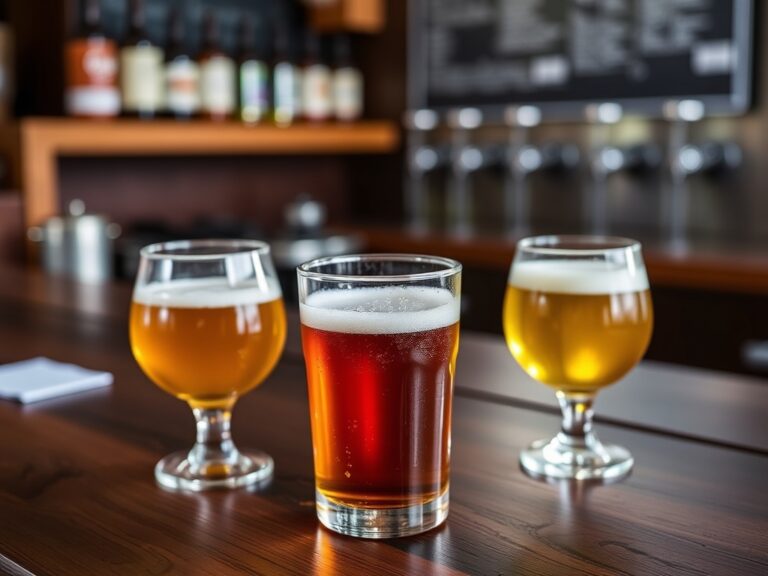
In my experience, serving beer lager ice-cold is key to experiencing its full potential. I recommend chilling it for at least a couple of hours before serving and pouring it into a clean glass at an angle to reduce excess foam. I believe that the right glassware enhances the aroma and flavor, making each sip more enjoyable.
H3: Pairing Beer Lager with Food
From what I’ve learned, beer lager pairs wonderfully with a variety of foods—think grilled meats, seafood, or spicy dishes. I recommend experimenting with different pairings to find what complements your preferred style of lager. For me, a cold lager with a salty snack or a hearty burger is pure bliss.
References and Resources
Throughout my research on beer lager, I’ve found these resources incredibly valuable. I recommend checking them out for additional insights:
Authoritative Sources on beer lager
-
Brewers Association
brewersassociation.orgAn excellent resource for understanding different beer styles, including beer lager, brewing techniques, and industry trends.
-
BBC Good Food
bbcgoodfood.comOffers recipes and pairing tips that include beer lager, helping enthusiasts elevate their tasting experience.
-
CraftBeer.com
craftbeer.comDedicated to the craft of brewing, this site provides insights into beer lager styles, brewing techniques, and industry news.
-
National Institutes of Health
nih.govProvides scientific studies on the health effects of moderate beer consumption, including beer lager.
-
The Washington Post
washingtonpost.comFeatures articles on beer trends, including the popularity and evolution of beer lager.
-
Journal of Brewing Science
journalofbrewing.orgAcademic research articles on brewing processes, fermentation, and quality control specific to beer lager.
-
NPR
npr.orgProvides stories and features on beer culture, including the craft and appreciation of beer lager.

Frequently Asked Questions
What makes beer lager different from other beers?
In my experience, the main difference lies in the brewing process—beer lager is fermented at lower temperatures and undergoes a lagering phase, which results in its characteristic clean, crisp taste. This process also makes beer lager generally smoother and more refreshing than ales, which are fermented at warmer temperatures.
How should I serve beer lager for optimal flavor?
From my experience, I recommend serving beer lager ice-cold, ideally between 38-45°F (3-7°C). Pour it into a chilled glass at an angle to minimize foam and enhance aroma. Proper serving temperature and glassware really make a difference in tasting the nuanced flavors of beer lager.
What are some food pairings that go well with beer lager?
I’ve found that beer lager pairs beautifully with grilled meats, seafood, spicy dishes, and even pizza. Its crispness cuts through rich flavors and refreshes the palate. Experimenting with different pairings has helped me enjoy beer lager in new and exciting ways.
Are there health benefits associated with drinking beer lager?
In my experience, moderate consumption of beer lager can offer antioxidants and certain vitamins, which may contribute to health benefits like reduced inflammation. However, I always recommend enjoying it responsibly, as excessive drinking can negate these benefits. I believe moderation is key to truly savoring the benefits of beer lager.
Conclusion
In conclusion, my research on beer lager has shown that this style offers a delightful combination of flavor, tradition, and refreshment. I’ve found that understanding its brewing process, discovering different types, and savoring it responsibly can enhance our overall experience. I hope this guide helps you appreciate and enjoy beer lager to the fullest, whether you’re a seasoned connoisseur or just starting to explore the world of beer.

Find out more information about “beer lager”
Search for more resources and information: