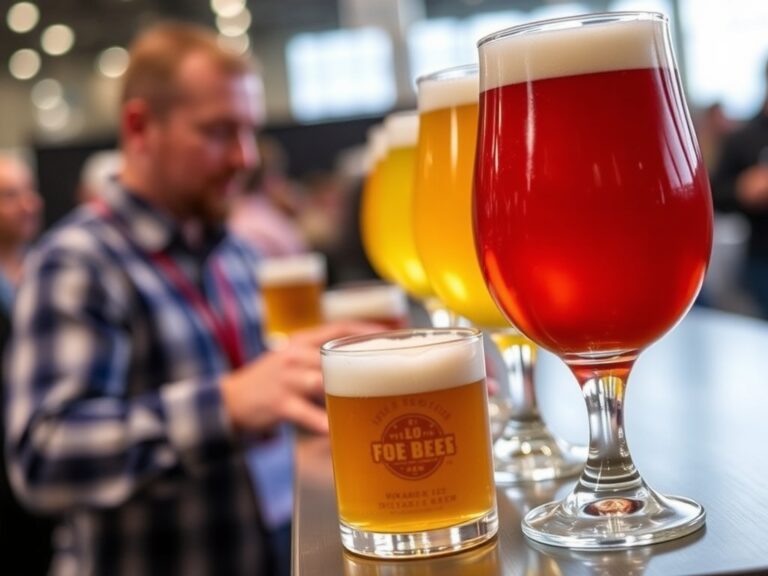
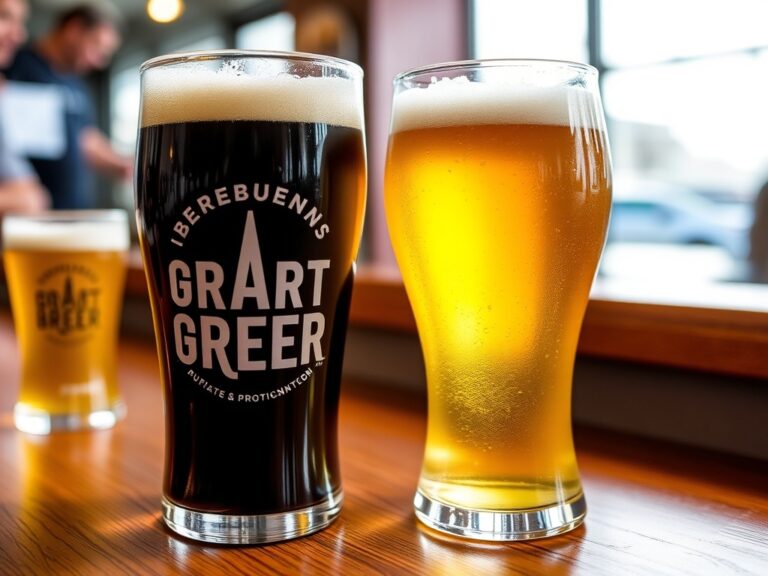
Mastering Barrel Brewing: Unlock Unique Flavors and Boost Your Home Brew Success
Introduction to Barrel Brewing
In my experience exploring the world of home brewing, I’ve been particularly fascinated by barrel brewing. It’s a craft that allows me to unlock a whole new spectrum of flavors and aromas that simply aren’t achievable with traditional brewing methods. When I first started, I was curious about how aging in barrels could influence my beer, wine, or spirits, and I quickly discovered that barrel brewing offers a unique opportunity to add complexity and depth to my creations.
From what I’ve learned, barrel brewing is not just about aging; it’s about the interaction between the liquid and the wood, which introduces flavors like vanilla, oak, caramel, and even spice notes. I want to share what I’ve picked up along the way—tips, insights, and personal lessons—to help you master this art. Whether you’re a seasoned brewer or just starting out, understanding the fundamentals of barrel brewing can significantly elevate your home brewing success.
Getting Started with Barrel Brewing
Understanding the Basics of Barrel Brewing
In my journey with barrel brewing, I’ve found that the first step is understanding the different types of barrels and how they influence flavor. I recommend starting with smaller barrels—like 1 to 5 gallons—so that I can experiment without a huge investment. My experience shows that the choice of wood (oak being the most popular) and the level of toasting significantly impact the final product.
From what I’ve researched, I’ve discovered that sanitation is crucial in barrel brewing. I always thoroughly clean and sanitize my barrels before use to prevent unwanted bacteria or molds, which can ruin the flavor. I also learned that the environment where I store my barrels matters—cool, dark, and stable temperatures are ideal for aging.
Tools and Equipment You Need
When I first started with barrel brewing, I thought the process would be complicated, but I’ve found that having the right tools makes all the difference. I recommend getting a good siphon, hydrometer, and a barrel-specific thermometer. These tools help me monitor the aging process and ensure my brew develops the flavors I want.
In my experience, investing in a quality bung and spigot allows me to easily sample and transfer my brew without contaminating it. I’ve also discovered that adding oak chips or staves to the barrel can enhance flavors if I want more control or quicker results. From my research, I’ve learned that a little experimentation with the tools and ingredients can significantly improve your barrel brewing outcomes.
Choosing the Right Barrels for Brewing
Types of Barrels for Barrel Brewing
In my exploration of barrel brewing, I’ve found that selecting the right barrel is essential. I’ve personally used American oak, French oak, and even cherry wood barrels, each imparting distinct flavors. I recommend starting with an oak barrel, as it is versatile and widely available. My experience shows that the age of the barrel also affects the flavor; newer barrels tend to be more assertive, while used barrels offer subtler notes.
From what I’ve learned, I should mention that the size of the barrel impacts aging time and flavor infusion. Smaller barrels accelerate the aging process, which is perfect if I want quick results. I believe that the key is to choose a barrel that complements the style of brew I want to craft. barrel brewing is about balancing wood influence with the base ingredients, and selecting the right barrel is the first step toward success.
Where to Find Quality Barrels
When I started sourcing my barrels, I was surprised at how many options are available online and at specialty stores. I recommend buying from reputable suppliers that provide detailed information about the barrel’s history and treatment. I’ve found that new, charred oak barrels are popular, but I’ve also used refurbished barrels for more subtle flavor profiles.
From my research, I learned that I should consider the barrel’s porosity and how it affects aging. Proper storage and maintenance are vital to prolonging the life of your barrels. I suggest cleaning and sanitizing your barrels thoroughly before use to avoid contamination. Trust me, the effort pays off when you see your brew develop rich, complex flavors through barrel brewing.
Techniques to Enhance Barrel Brewing Flavor
Flavor Infusion and Aging Strategies
In my experience, one of the most exciting aspects of barrel brewing is experimenting with flavor infusion. I’ve discovered that adding spices, fruits, or other botanicals directly into the barrel can create unique profiles. For example, I’ve infused vanilla beans and cherry chips to add depth to my bourbon-style brews.
From what I’ve learned, I recommend tasting your brew periodically to monitor flavor development. I’ve found that patience is key—often, the best flavors emerge after several months of aging. I believe that controlling oxygen exposure and temperature helps me fine-tune the process. Sometimes, I’ll transfer my brew to a smaller barrel or add oak staves mid-age to intensify the wood influence—these barrel brewing techniques have transformed my results.
Managing the Barrel Environment
Managing the environment where I age my brew is crucial. I’ve learned that fluctuations in temperature can cause the liquid to expand and contract, impacting flavor extraction. I recommend keeping your barrels in a cellar or closet with a stable climate. I’ve found that humidity levels also influence the aging process—too dry, and the wood can crack; too humid, and mold may develop.
In my experience, I also use a hydrometer regularly to track the alcohol content and ensure that fermentation is complete before aging. Properly storing and maintaining your barrels helps prevent spoilage and ensures consistent results. I believe that paying attention to environmental details is one of the secrets to mastering barrel brewing and creating truly exceptional brews.
Troubleshooting Common Barrel Brewing Challenges
Dealing with Mold and Contamination
From my experience, one of the biggest hurdles in barrel brewing is mold or bacterial contamination. I’ve learned that rigorous cleaning and sanitation are my first line of defense. I recommend using a vinegar solution or commercial barrel cleaner before and after each use. In my early days, I underestimated the importance of this step, and I paid the price with off-flavors.
If I notice mold, I immediately scrub the barrel with hot water and a brush, then sanitize thoroughly. I’ve also found that maintaining optimal storage conditions—cool, dark, and with proper humidity—reduces the risk of contamination. Trust me, staying vigilant prevents spoilage and keeps your barrel brewing project on track.
Preventing Over-Oaking
In my journey with barrel brewing, I’ve learned that over-oaking can overpower the delicate flavors of my brew. I recommend tasting frequently and not rushing the process. Sometimes, I’ve added oak chips or stave inserts to control the level of wood influence, which is much easier than using a full barrel.
From what I’ve seen, I should mention that transferring the brew to a smaller vessel after initial aging can help mellow the oak notes. I believe that patience, combined with careful monitoring, is key to achieving a balanced flavor profile. Properly managing the oak contact allows me to enjoy complex, nuanced brews that truly shine.
References and Resources
Throughout my research on barrel brewing, I’ve found these resources incredibly valuable. I recommend checking them out for additional insights:
Authoritative Sources on barrel brewing
-
Brewers Association – Barrel Aging
brewersassociation.orgThis resource offers comprehensive guides on barrel aging techniques and industry standards, which I found essential for understanding best practices.
-
Barrel-Aged Beer & Spirits Magazine
barrel-aged.comThis publication features articles on flavor profiles, aging tips, and innovative techniques in barrel brewing.
-
Penn State Extension – Aging Beer in Wood
extension.psu.eduAn educational resource that provides scientific insights into the effects of wood and aging conditions on beer flavor development.
-
American Homebrewers Association
homebrewersassociation.orgOffers practical advice, recipes, and forums to connect with other barrel brewing enthusiasts.
-
Brew Your Own Magazine
breweryourown.comFeatures articles and tutorials on aging techniques and flavor enhancement in barrel brewing.
-
Wine Making Talk
winemakingtalk.comProvides insights into barrel aging for spirits and wine, which I find helpful for understanding cross-influences in barrel brewing.
-
ScienceDirect – Journal of Food Science
sciencedirect.comAcademic articles exploring the chemical and microbiological aspects of barrel brewing and aging processes.
FAQ about Barrel Brewing
Frequently Asked Questions
What is the best type of barrel for barrel brewing?
In my experience, oak barrels—especially American and French oak—are the most versatile for barrel brewing. They impart rich vanilla and caramel notes and are widely available. I recommend starting with a medium-charred oak barrel to balance flavor and aging time.
How long should I age my brew in a barrel?
From what I’ve learned, aging times vary depending on the type of brew and desired flavor. Typically, I recommend a minimum of 4-6 weeks for lighter beers, but some of my best results come after 3-6 months. I believe patience is key in barrel brewing to allow flavors to fully develop.
Can I reuse a barrel for multiple batches?
Yes, I’ve reused barrels several times, but I’ve found that their flavor influence diminishes over time. I recommend cleaning and sanitizing thoroughly between uses. Reusing barrels can add a subtle complexity to your barrel brewing projects, but be mindful of potential off-flavors if the barrel is too old.
What are common mistakes in barrel brewing?
Based on my experience, common mistakes include over-oaking, neglecting sanitation, and rushing the aging process. I recommend tasting frequently and monitoring environmental conditions. Taking your time and paying attention to detail ensures a high-quality result in barrel brewing.
How can I add extra flavor to my barrel brew?
I suggest experimenting with adding fruits, spices, or botanicals directly into the barrel. I’ve had success with vanilla beans and cherry chips, which I believe enhance the complexity of my brews. Just remember to taste often, as I’ve found that a little goes a long way in barrel brewing.
Conclusion
In conclusion, my research on barrel brewing has shown me that it’s an incredibly rewarding process that unlocks a world of flavor possibilities. I believe that understanding the fundamentals—choosing the right barrels, techniques for flavor enhancement, and proper aging—are key to success. I hope this guide helps you embark on your own barrel brewing journey and inspires you to create exceptional, complex brews that stand out. With patience and experimentation, I’m confident you’ll master this craft and elevate your home brewing skills to new heights.
Find out more information about “barrel brewing”
Search for more resources and information: