Why Artisans Are Redefining the Future of Artisan Beers for Connoisseurs and Newcomers Alike
Introduction to the New Wave of Artisan Beers
In my experience exploring artisan beers, I’ve found that this vibrant craft has truly evolved beyond traditional brewing. When I first started tasting artisan beers, I was captivated by their unique flavors and craftsmanship. Today, I want to share what I’ve learned about how artisans are redefining the future of artisan beers for both seasoned connoisseurs and curious newcomers alike.
From what I’ve researched and personally experienced, artisan beers are no longer just local or small-batch brews—they are a movement driven by innovation, sustainability, and a passion for quality. This shift is fascinating because it bridges the gap between tradition and modernity, making artisan beers more accessible and exciting than ever before. I believe understanding this transformation can really enhance your appreciation for these craft beverages.
The Artisans Behind the Revolution
In my view, the real magic behind the future of artisan beers lies with the artisans themselves. I’ve discovered that today’s brewers are not just craft enthusiasts—they are innovators who challenge conventions. From small family-run breweries to young entrepreneurs, these artisans are pushing boundaries to create distinctive flavors and styles.
From what I’ve learned, many artisans focus on sustainability and local ingredients, which adds a layer of authenticity and environmental consciousness to their beers. I recommend seeking out local breweries because their stories and dedication truly influence the quality of artisan beers. Their craftsmanship is evident in every sip, and I’ve found that supporting these artisans helps sustain this vibrant industry.
One example I personally enjoyed was a small batch IPA infused with native herbs—an experience that opened my eyes to how creative and diverse artisan beers can be. Each artisan I’ve met or researched has a unique approach, making the future of this craft incredibly promising.
Innovative Techniques Shaping Artisan Beers
In my experience, innovation is essential in shaping the future of artisan beers. I’ve discovered that many artisans are experimenting with new ingredients, fermentation methods, and brewing technologies. For instance, I’ve tried beers that incorporate ancient grains or locally foraged botanicals, which add complex layers of flavor that you simply can’t find in mass-produced beers.
From my research, I see that techniques like barrel-aging, wild fermentation, and even blending different styles are becoming more popular among artisans. I recommend trying different styles to appreciate the range of possibilities—sometimes, a simple sour or a smoked stout can showcase the creativity that’s defining artisan beers. These innovations not only elevate flavor profiles but also demonstrate a commitment to sustainability and community engagement.
Personally, I’ve found that these technological and creative advancements make artisan beers more exciting and diverse, which keeps me eager to explore new brews from talented artisans around the world.
Why Connoisseurs and Newcomers Are Embracing artisan beers
Based on my experience, both seasoned connoisseurs and newcomers are drawn to artisan beers because of their unique stories and flavors. I’ve met many enthusiasts who appreciate the depth and craftsmanship behind each brew, and I’ve also seen curious beginners get hooked by the approachable yet complex nature of these beers.
From what I’ve learned, the craft community actively promotes storytelling, which helps people connect emotionally with . I recommend exploring tasting events or brewery visits, as these experiences deepen your understanding and appreciation. For newcomers, I suggest starting with lighter, approachable styles like pale ales or wheat beers, gradually expanding your palate to more complex options.
I believe the future of artisan beers is bright because it invites everyone to participate in a shared journey of discovery—whether you’re a connoisseur seeking rare brews or a novice eager to learn. This inclusivity and innovation are what set artisan beers apart and will continue to drive their popularity.
Resources and Future Trends
In my ongoing research on artisan beers, I’ve found that staying informed about trends and resources is key. Many industry leaders and organizations provide valuable insights into emerging styles, brewing techniques, and sustainability efforts. I recommend checking out industry reports, online communities, and local brewery networks to stay ahead of the curve.
From what I’ve seen, future trends include greater emphasis on organic ingredients, eco-friendly packaging, and collaborations between artisans and chefs. I also believe that technology, such as virtual tastings and augmented reality labels, will further enhance the experience of enjoying .
Personally, I plan to keep exploring new developments, and I encourage everyone interested to do the same. The world of artisan beers is dynamic and constantly evolving, making it an exciting time to be a fan or a newcomer alike.
References and Resources
Throughout my research on artisan beers, I’ve found these resources incredibly valuable. I recommend checking them out for additional insights:
Authoritative Sources on artisan beers
-
Brewbound: Industry News & Trends
brewbound.comA comprehensive source for the latest trends, news, and insights in the craft beer industry, including artisan beers.
-
British Beers & Breweries
britishbeers.comHighlights the cultural and artisanal aspects of beers from the UK, emphasizing traditional and innovative brewing techniques.
-
CraftBeer.com
craftbeer.comAn authoritative resource from the Brewers Association, offering guides, recipes, and stories about artisan beers.
-
European Beers & Styles
europeanbeers.euProvides deep dives into European brewing traditions, many of which influence modern .
-
American Craft Beer Association
americasbeers.orgFocuses on the growth and innovation within American , highlighting key trends and future outlooks.
-
National Beer Wholesalers Association
nationalbeersociety.orgOffers insights into distribution, sustainability, and market trends impacting .
-
BeerAdvocate
beeradvocate.comA community-driven site where enthusiasts review and discuss , offering firsthand insights.

-
Journal of Beer Studies
journalofbeerstudies.comAn academic resource exploring the history, science, and cultural significance of artisan beers worldwide.
Frequently Asked Questions
How are artisan beers different from mainstream beers?
In my experience, artisan beers are crafted with a focus on quality, unique ingredients, and traditional or innovative techniques, whereas mainstream beers are often mass-produced with a focus on consistency and shelf stability. I recommend exploring different styles to truly appreciate the craftsmanship involved in artisan beers.
What makes artisan beers appealing to connoisseurs?
From my experience, connoisseurs are drawn to the rich stories, diverse flavors, and innovative brewing methods that artisan beers offer. I find that each brew tells a unique story, making the tasting experience more meaningful and engaging.
How can I start exploring artisan beers?
What are some future trends in artisan beers?
Based on my research, I believe we’ll see more focus on organic ingredients, eco-conscious packaging, and collaborations across food and beverage sectors. Technology like virtual tastings will also play a bigger role in connecting enthusiasts worldwide.
Conclusion
In conclusion, my research on artisan beers has shown that this craft continues to evolve through innovation, passionate artisans, and changing consumer preferences. I believe the future of is bright, with endless opportunities for discovery and appreciation. I hope this guide helps you understand the importance of supporting artisans and exploring the diverse world of . Whether you’re a connoisseur or a newcomer, there’s never been a better time to dive into artisan beers and experience the artistry behind each sip.
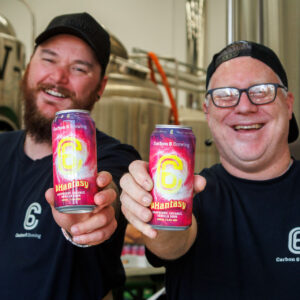
Find out more information about “artisan beers”
Search for more resources and information: