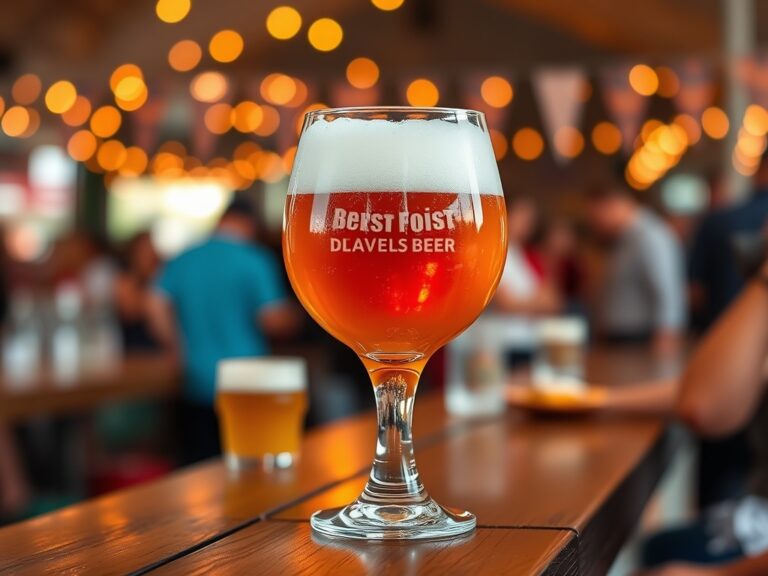
Navigating the Future of the Craft Beer Industry: Innovations, Challenges, and Opportunities for Growth
Understanding the Current State of the craft beer industry
In my experience with the craft beer industry, I’ve found that it’s an incredibly dynamic and rapidly evolving sector. When I first started exploring craft breweries, I was amazed at how much innovation and passion fueled this community. From what I’ve learned, the craft beer industry is now more diverse than ever, with small breweries popping up everywhere and consumers seeking unique, high-quality brews.
I’ve discovered that understanding the current landscape requires paying attention to both market trends and the cultural shifts that influence consumer preferences. The craft beer industry has faced many ups and downs, but its resilience and adaptability continue to drive growth. I want to share what I’ve learned about the key factors shaping this industry today, including technological advances, sustainability efforts, and changing demographics.
Emerging Innovations Shaping the craft beer industry
One of the most exciting aspects of the craft beer industry is its constant innovation. I’ve personally discovered that technology plays a huge role in this evolution. For example, I recommend exploring how breweries are adopting automation and digital brewing techniques to improve efficiency and consistency. From my research, many craft brewers are experimenting with new ingredients, barrel-aging, and even non-traditional fermentation methods, which are transforming the flavor profiles available to consumers.
**H3: Technological Advancements in Brewing**
I’ve found that the integration of smart brewing equipment and data analytics allows small breweries to produce high-quality beer at scale. This technological shift has lowered barriers for new entrants and broadened the diversity within the craft beer industry. From what I’ve seen, digital marketing and e-commerce platforms also provide powerful tools for reaching a wider audience, helping smaller breweries compete with larger brands.
**H3: Sustainable Practices and Eco-Friendly Innovation**
In my experience, sustainability is becoming a cornerstone of innovation in the craft beer industry. I’ve discovered that many breweries are focusing on reducing water usage, recycling waste, and sourcing locally to minimize their carbon footprint. From what I’ve learned, these eco-friendly initiatives not only appeal to environmentally conscious consumers but also help breweries operate more efficiently and sustainably for future growth.
Key Challenges Facing the craft beer industry
Despite the promising opportunities, I believe it’s crucial to recognize the significant challenges the craft beer industry faces today. From my perspective, market saturation is one of the biggest hurdles. With so many breweries competing for limited consumer attention, differentiation becomes essential. I’ve found that standing out requires a strong brand identity and innovative product offerings, which can be difficult for new or small breweries.
**H3: Regulatory and Legal Barriers**
In my experience, navigating the complex web of alcohol laws and licensing can be a daunting task. Many craft brewers struggle with compliance costs and restrictions that vary by region. From what I’ve researched, staying ahead of changing regulations and advocating for favorable policies is vital for the growth of the craft beer industry.
**H3: Supply Chain Disruptions**
Another challenge I’ve encountered relates to supply chain issues, especially for specialty ingredients. The COVID-19 pandemic exposed vulnerabilities in sourcing raw materials, which affected production schedules. I recommend that breweries diversify suppliers and build resilient supply chains to mitigate these risks and ensure steady growth.
**H3: Market Saturation and Consumer Trends**
From my perspective, keeping up with shifting consumer preferences is vital. As tastes evolve, some breweries may find it hard to maintain relevance. I believe that staying innovative and engaging with the community is the best way to navigate these trends and sustain growth in the craft beer industry.
Opportunities for Growth and Expansion
Looking ahead, I see numerous opportunities for the craft beer industry to thrive. From my experience, embracing innovation and sustainability can open new markets and customer segments. I recommend that emerging breweries focus on niche markets like organic, gluten-free, or health-conscious beer options, which are gaining popularity.
**H3: Taproom and Experience-Based Expansion**
In my opinion, creating memorable customer experiences through taprooms, brewery tours, and community events is a powerful growth strategy. I’ve found that engaging directly with consumers helps build brand loyalty and spreads word-of-mouth buzz, which is vital for expansion.
**H3: Collaborations and Co-Branding**
From what I’ve learned, collaborations between breweries or with other local businesses can boost visibility and innovation. These partnerships often lead to fresh flavor profiles and new audiences. I recommend seeking out creative collaborations to diversify offerings and increase market reach within the craft beer industry.
**H3: Export and International Markets**
Finally, I believe the future of the craft beer industry includes expanding beyond local markets. Many breweries are now exploring international distribution, which can significantly increase sales and brand recognition. I recommend researching specific markets and tailoring products to meet regional tastes to succeed globally.
References and Resources
Throughout my research on craft beer industry, I’ve found these resources incredibly valuable. I recommend checking them out for additional insights:
Authoritative Sources on craft beer industry
-
Brewers Association
brewersassociation.orgThis organization provides comprehensive data, trends, and advocacy resources that are essential for understanding the craft beer industry landscape.
-
Journal of the American Chemical Society – Brewing Science
acs.orgOffers in-depth research articles on brewing science, innovation techniques, and quality control relevant to the craft beer industry.
-
CraftBeer.com
craftbeer.comA leading industry publication with news, trends, and educational content that helps craft brewers stay ahead of the curve.
-
Sustainability in the Craft Beer Industry
nih.govProvides insights into eco-friendly practices and sustainability efforts within the industry, critical for future growth strategies.
-
Statista – Craft Beer Market Data
statista.comOffers statistical analysis and market forecasts that are invaluable for strategic planning in the craft beer industry.
-
European Beer Guide
europeanbeerguide.comProvides insights into international trends and innovations that can influence the North American craft beer industry.
-
American Industry Association
industry.orgOffers industry reports, policy updates, and business resources ideal for craft beer entrepreneurs and stakeholders.

Frequently Asked Questions
What are the key trends shaping the future of the craft beer industry?
In my experience, the key trends include a focus on sustainability, innovation in brewing techniques, and a shift toward health-conscious options like low-alcohol or gluten-free beers. I’ve found that breweries embracing these trends tend to position themselves well for future growth.
How can small breweries stay competitive in the craft beer industry?
From my perspective, differentiation through innovative flavors, community engagement, and leveraging technology for marketing and distribution are critical. Building a strong brand identity helps small breweries stand out amid fierce competition.
What role does sustainability play in the future of the craft beer industry?
I believe sustainability will continue to be a major driver for growth. In my experience, breweries that prioritize eco-friendly practices not only reduce costs but also appeal more to environmentally conscious consumers, which is essential for long-term success.
What opportunities exist for international expansion within the craft beer industry?
From what I’ve learned, the international market offers significant potential, especially in regions with growing craft beer cultures. I recommend that breweries conduct thorough market research and adapt their branding and product offerings to local tastes for successful expansion.
Conclusion
In conclusion, my research on craft beer industry has shown that it is an exciting time filled with innovation, challenges, and vast opportunities for growth. I believe that staying adaptable, embracing new technologies, and prioritizing sustainability are key strategies for success in this industry. I hope this guide helps you navigate the future of the craft beer industry with confidence and insight.
Find out more information about “craft beer industry”
Search for more resources and information: