Unveiling the Spectrum of Craft Beer Flavors: How Bold Variations Enhance Your Tasting Journey
Understanding Craft Beer Flavors
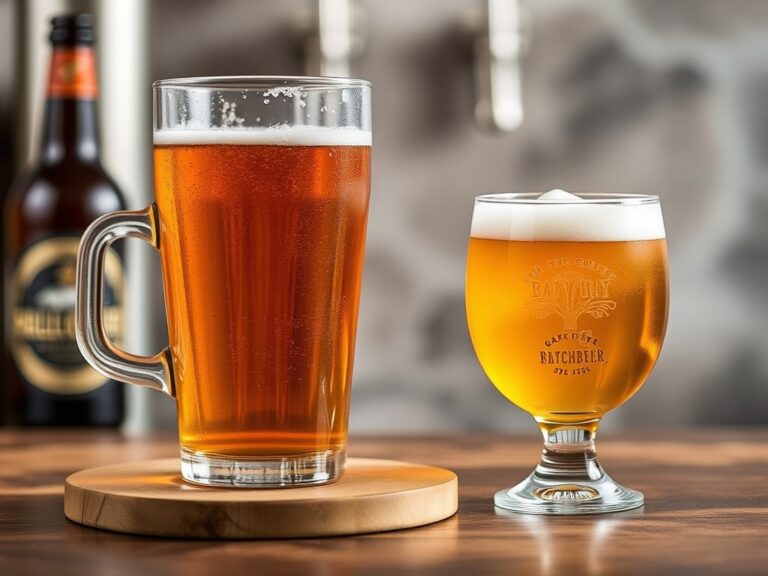
In my experience with craft beer flavors, I’ve found that the diversity and complexity are what make this world so fascinating. When I first started exploring craft beers, I was surprised at how much variation exists just within a single style. This variety ignited my curiosity and led me to dive deeper into what truly influences these flavors. I want to share what I’ve learned about how craft beer flavors develop and why they matter so much in shaping our tasting journeys.
From what I’ve learned, craft beer flavors are shaped by a combination of ingredients, brewing techniques, and even fermentation processes. I’ve discovered that understanding these factors helps me appreciate the nuances in each brew. In my opinion, embracing the spectrum of craft beer flavors allows us to enjoy a richer, more engaging tasting experience. Whether you prefer hoppy IPAs or smooth stouts, exploring the bold variations in flavors is what keeps the journey exciting.
Exploring Flavor Profiles
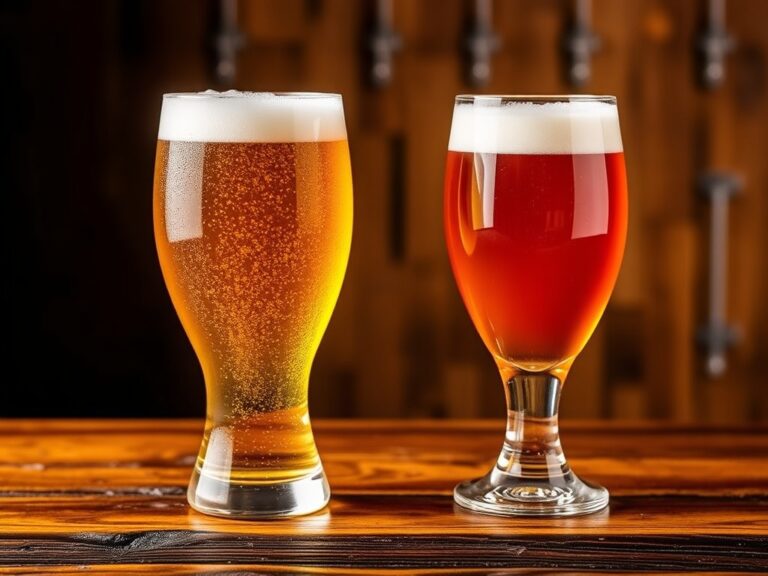
When I started paying closer attention to flavor profiles, I realized how diverse craft beer flavors can be. From fruity and spicy to roasted and smoky, each profile offers something unique. I recommend taking the time to identify these flavors because it really deepens my appreciation for each brew I try.
### H3: The Fruity and Spicy Spectrum
I’ve discovered that some of the most captivating craft beer flavors come from fruits and spices. For instance, I love trying Belgian-style ales that often feature banana, clove, or citrus notes. These flavors add a layer of complexity that makes each sip memorable. I recommend tasting beers with added fruit or spice ingredients to experience how they contribute to the overall flavor profile.
### H3: Roasted and Malty Notes
From my research and personal tasting sessions, I found that darker beers like stouts and porters offer rich roasted flavors, often with hints of coffee or chocolate. I’ve found that these bold craft beer flavors are perfect for those who enjoy a more intense, full-bodied experience. I believe experimenting with different malts helps uncover new flavor dimensions in each brew.
### H3: Hoppy and Citrusy
I’ve also come to appreciate the boldness of hoppy beers, especially those with citrus and pine notes. These craft beer flavors are often bright and invigorating, perfect for a refreshing summer day. From my experience, exploring different hop varieties allows me to taste how they influence the overall flavor journey.
The Role of Ingredients in Craft Beer Flavors
In my experience, the ingredients used in brewing are fundamental to achieving the desired craft beer flavors. I’ve learned that even slight variations in ingredients can lead to significant differences in taste. It’s fascinating how the choice of hops, malts, yeast, and adjuncts shape the flavor landscape.
### H3: Hops and Their Impact
I’ve discovered that hops are the backbone of many bold craft beer flavors. They bring bitterness, aroma, and flavor, which can range from floral and citrus to pine and herbal. I recommend trying beers with different hop profiles to understand how they influence the overall tasting experience.
### H3: Malts and Their Contributions
From my tasting adventures, I found that malts add sweetness, body, and color, profoundly affecting the flavor. Dark malts often lend roasted, chocolatey notes, while lighter malts offer bread-like or biscuity flavors. I believe that balancing these ingredients is key to crafting complex craft beer flavors.
### H3: Yeast and Fermentation
I’ve learned that yeast plays a crucial role in developing unique flavors during fermentation. Different yeast strains can produce fruity esters, spicy phenols, or clean, neutral profiles. I recommend experimenting with beers fermented with various yeast types to experience a wide spectrum of craft beer flavors.
How Bold Variations Elevate Your Tasting Experience
In my opinion, bold variations in craft beer flavors are what truly elevate the tasting journey. I’ve found that trying beers with unusual ingredients or innovative brewing techniques opens up new flavor horizons. These bold choices often challenge our palate and deepen our appreciation for the craft.
### H3: Experimenting with Unconventional Ingredients
I’ve discovered that adding ingredients like chili peppers, coffee, or exotic fruits can create truly unique craft beer flavors. I recommend seeking out these experimental brews because they push the boundaries of traditional flavor profiles and introduce exciting new tastes.
### H3: Barrel-Aged and Smoked Beers
From my experience, barrel-aged beers and smoked varieties offer bold, complex craft beer flavors. The aging process imparts depth, with notes of vanilla, oak, or smoky undertones. I believe these variations are perfect for connoisseurs looking to explore the full spectrum of flavors.
### H3: Limited Editions and Seasonal Brews
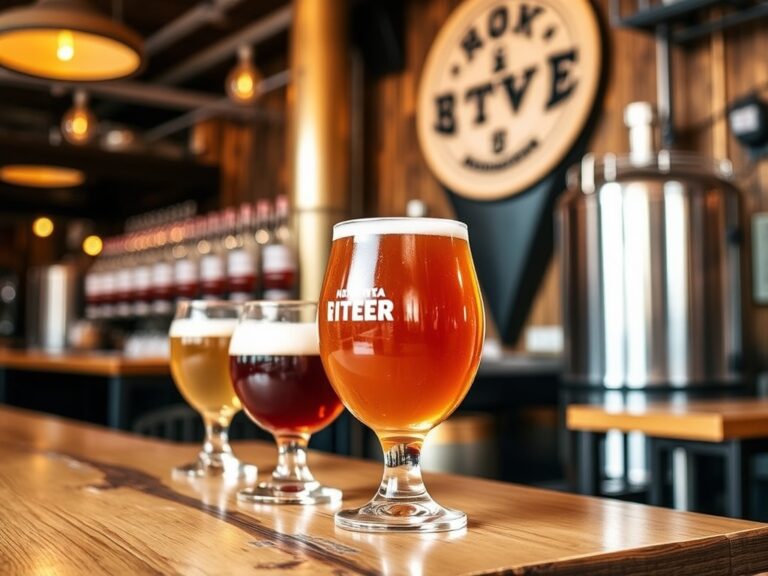
I’ve found that limited-edition and seasonal beers often feature bold and innovative craft beer flavors. These releases allow me to taste new combinations and appreciate the creativity of brewers. I recommend keeping an eye on local breweries for these special offerings to enhance your flavor journey.
Resources and Further Reading
Throughout my research on craft beer flavors, I’ve found these resources incredibly valuable. I recommend checking them out for additional insights:
Authoritative Sources on craft beer flavors
-
Brewers Association
BrewersAssociation.orgA comprehensive resource on brewing techniques, styles, and flavor profiles, helping me understand the science behind craft beer flavors.
-
Beer & Brewing Magazine
BeerandBrewing.comThis site offers insights into brewing trends, flavor innovations, and expert opinions that have greatly influenced my understanding of craft beer flavors.
-
BBC Food & Drinks — Beer Section
BBC.comProvides articles about beer styles, tasting notes, and innovations, helping me stay informed about the latest in craft beer flavors.
-
Microbrewery Association
Microbrewery.comTheir guides on brewing techniques and flavor profiles have helped me understand how to craft or identify craft beer flavors in various styles.
-
BeerAdvocate
BeerAdvocate.comA user-driven site with extensive reviews on craft beer flavors, helping me discover new favorites and appreciate subtle differences.
-
CraftBeer.com
CraftBeer.comOfficial site of the Brewers Association, filled with articles, guides, and tasting tips about craft beer flavors and brewing culture.
-
Journal of Brewing Science
JournalofBrewing.orgAn academic resource that provides research articles on brewing processes and flavor development, deepening my understanding of craft beer flavors.
-
New York Times Food Section
NYTimes.comFeatures articles on craft beer trends and flavor innovations, helping me stay inspired and informed about the latest developments in craft beer flavors.
Frequently Asked Questions
Frequently Asked Questions
What are the most common craft beer flavors I should try?
In my experience, some of the most common craft beer flavors include citrus, pine, caramel, roasted, and fruity notes. I recommend trying a variety of styles like IPAs, stouts, and sours to discover which flavors resonate most with you.
How can I better appreciate the craft beer flavors in each brew?
From my experience, tasting mindfully and taking notes on the aroma, appearance, and taste helps me appreciate the craft beer flavors more deeply. Swirling the beer and savoring each sip slowly allows me to pick up subtle nuances that I might otherwise overlook.
What role do ingredients play in creating bold craft beer flavors?
In my view, ingredients are fundamental. The quality and combination of hops, malts, yeast, and adjuncts directly influence the final craft beer flavors. Experimenting with different ingredients has allowed me to discover new, bold flavor combinations.
Are there specific brewing techniques that enhance craft beer flavors?
Absolutely. Techniques like barrel aging, dry hopping, and using wild yeast strains can significantly enhance craft beer flavors. From my experience, these methods add complexity and depth that make each brew more memorable.
How do bold craft beer flavors influence my tasting journey?
In my opinion, bold <a href="#INTERNAL_LINK_craft beer flavors push my palate to experience more intense and complex tastes. They encourage me to explore beyond my comfort zone and appreciate the artistry behind each brew, making the tasting journey more engaging and rewarding.
Conclusion
In conclusion, my research on craft beer flavors has shown that the spectrum of flavors available is vast and exciting. Embracing bold variations not only enriches my tasting experience but also deepens my appreciation for the craft behind each brew. I hope this guide helps you explore and enjoy the incredible diversity that craft beer flavors offer, turning every sip into a memorable adventure.

Find out more information about “craft beer flavors”
Search for more resources and information: