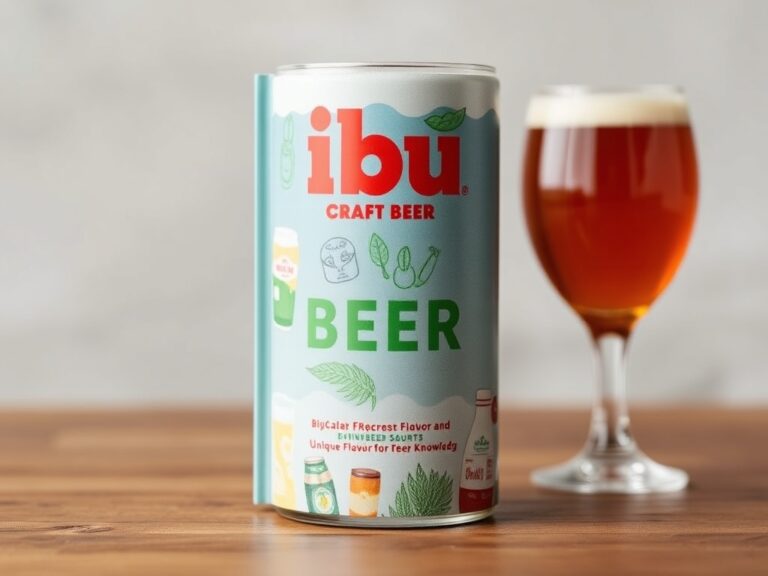
Unlock the Secrets of ale beer: Boost Your Brewing Knowledge and Enhance Every Sip
Introduction to ale beer
In my experience with ale beer, I’ve discovered that diving into its world is both fascinating and rewarding. I want to share what I’ve learned about ale beer because it’s such a versatile and historic beverage. When I first started exploring different types of beer, ale beer immediately caught my interest due to its rich flavors and long-standing traditions. From what I’ve researched, understanding ale beer better can truly elevate your brewing skills and enjoyment. I’ve found that knowing the nuances of ale beer helps me appreciate each sip even more, whether I’m at a brewery or homebrewing.
Through my journey, I’ve come to realize that ale beer isn’t just a drink; it’s an experience rooted in history, craftsmanship, and flavor complexity. I want to guide you through some of my insights, so you can unlock the secrets of ale beer and boost your brewing knowledge. Trust me, once you understand the basics and some advanced techniques, every sip of ale beer becomes more meaningful and enjoyable.
The History and Types of ale beer
Understanding the history of ale beer has been a crucial part of my learning process. I’ve discovered that ale beer dates back thousands of years, with origins in ancient civilizations like Mesopotamia and Egypt. From what I’ve found, the traditional brewing methods have evolved, but many core principles remain the same. In my experience, exploring the different types of ale beer—such as pale ale, brown ale, stout, and porter—has opened my eyes to the diversity of flavors and brewing styles.
I recommend that anyone interested in ale beer starts by tasting a variety of styles to understand their unique characteristics. I’ve personally enjoyed comparing a hoppy pale ale with a rich, dark stout, noticing how ingredients and brewing techniques influence flavor. From my research, I’ve learned that ale beer is highly adaptable, allowing brewers to experiment with ingredients like hops, malt, and yeast to create distinct profiles. This exploration has deepened my appreciation for the craftsmanship behind each bottle or pint.
Brewing Techniques for Perfect ale beer
When it comes to brewing ale beer, I’ve found that mastering the basics of fermentation and ingredient selection is key. I’ve discovered that temperature control during fermentation significantly impacts the final flavor, and I always recommend investing in a good fermentation thermometer. From what I’ve learned, using quality malt and fresh hops makes a noticeable difference in the aroma and taste of your ale beer.
In my experience, I recommend starting with tried-and-true recipes before experimenting with bold ingredients. I’ve found that a clean fermentation environment helps produce a more consistent and high-quality ale beer. From my research, I’ve seen that many homebrewers succeed by focusing on yeast management and sanitation. I suggest documenting your brewing process so you can refine your technique over time. Whether you’re brewing a simple pale ale or a complex imperial stout, understanding these techniques will elevate your ale beer craft.
Choosing the right ingredients
In my experience, selecting the right ingredients is the foundation of a great ale beer. I recommend sourcing fresh malt and hops from reputable suppliers, as quality directly affects flavor. I’ve learned that experimenting with different yeast strains can also introduce unique characteristics to your brew, making each batch special.
From what I’ve researched, balancing the malt sweetness with hop bitterness is crucial for a well-rounded ale beer. I’ve discovered that patience during fermentation often leads to better flavor development. I encourage others to keep detailed notes of their ingredient choices and fermentation conditions to replicate successes or troubleshoot issues. This attention to detail has helped me improve my brewing results significantly.
Fermentation tips for ale beer
In my experience, controlling fermentation temperature is one of the most important factors when brewing ale beer. I’ve found that warmer temperatures tend to produce more ester and fruity flavors, which can add complexity. I recommend investing in a fermentation chamber or a temperature-controlled environment to maintain consistent conditions.
From my research, I’ve learned that patience is essential—rushing the fermentation process often results in off-flavors. I’ve also discovered that gentle aeration of the wort before pitching yeast helps ensure healthy fermentation. My advice is to monitor your brew closely and give it enough time to develop its full flavor profile. Proper fermentation techniques make a huge difference in the quality of your ale beer.
Tasting and Serving ale beer
Tasting and serving ale beer has become one of my favorite parts of the brewing journey. I’ve learned that the right glassware enhances aroma and flavor, so I always recommend choosing a glass suited to the specific style of ale. In my experience, pouring a proper pint with a gentle tilt creates a better drinking experience.
I recommend that you pay attention to the appearance, aroma, flavor, and mouthfeel of your ale beer. I’ve found that serving at the correct temperature—usually slightly warmer than refrigeration—brings out the best flavors. From what I’ve learned, pairing ale beer with complementary foods can elevate the tasting experience, turning a simple drink into a delightful culinary event. I always take a moment to savor each sip, appreciating the craftsmanship behind every batch I brew or taste.
Proper glassware and presentation
In my experience, using the right glassware makes a noticeable difference in enjoying ale beer. I recommend specific glasses for different styles—like tulips for IPAs or snifters for stouts—to concentrate the aroma and improve the overall experience. I’ve learned that presentation also involves pouring slowly to avoid excessive foam and to showcase the beer’s color and clarity.
From my research, I’ve found that a well-presented ale beer invites you to savor its aroma and flavor fully. I suggest practicing your pouring technique to ensure each glass looks as appealing as it tastes. This attention to detail can turn a simple drink into a memorable moment. I believe that elevating your presentation skills enhances your appreciation for ale beer.
Serving temperature and pairing tips
In my experience, serving ale beer at the right temperature is crucial—most ales are best enjoyed slightly warmer than fridge temperature, around 45-55°F (7-13°C). I recommend experimenting to find what brings out the flavors most effectively for each style. I’ve found that too cold a pour mutes the aroma, while too warm can make the beer seem flat.
From what I’ve learned, pairing ale beer with the right foods enhances its flavor profile. I love pairing hoppy pale ales with spicy dishes or rich cheeses, which complement the bitterness and aroma. I encourage everyone to explore different food pairings, as it can transform your tasting experience into something truly special. Proper serving techniques truly elevate each sip of ale beer.
Resources and Further Learning about ale beer
In my quest to understand ale beer better, I’ve come across some fantastic resources that have expanded my knowledge. I believe that continuous learning is essential for any brewing enthusiast, whether you’re a beginner or seasoned homebrewer. From books to online courses, there’s a wealth of information out there that can help you master the art of ale beer brewing.
I recommend exploring industry websites, academic publications, and professional associations dedicated to brewing. I’ve found that engaging with expert communities and forums allows me to exchange tips and troubleshoot issues effectively. Here are some of my top resources that I believe will help you unlock the secrets of ale beer and refine your brewing craft.
References and Resources
Throughout my research on ale beer, I’ve found these resources incredibly valuable. I recommend checking them out for additional insights:
Authoritative Sources on ale beer
-
Brewers Association
brewersassociation.orgThis site offers comprehensive guides on brewing techniques, ingredients, and industry standards for ale beer.
-
British Beer & Brewing
britishbeer.comA rich resource on traditional ale styles, brewing history, and cultural significance of ale beer in the UK.
-
Journal of the American Society of Brewing Chemists
asbc.netThis journal provides scientific research on brewing, including fermentation science related to ale beer.
-
HopUnion
hopunion.comA top source for hop varieties and brewing tips to enhance the aroma and bitterness of your ale beer.
-
American Homebrewers Association
homebrewersassociation.orgProvides resources, recipes, and community support for homebrewers passionate about perfecting ale beer.
-
BBC Food & Drink
bbc.comOffers articles on brewing traditions and cultural aspects of ale beer around the world.
-
Food Science & Technology
sciencedirect.comResearch articles on brewing chemistry and flavor compounds relevant to ale beer.

-
Craft Beer & Brewing
craftbeer.comA leading publication for craft brewers and enthusiasts, featuring brewing tips, styles, and industry trends for ale beer.
Frequently Asked Questions
What makes ale beer different from other types of beer?
In my experience, ale beer is distinguished by its use of top-fermenting yeast that works at warmer temperatures, resulting in a more complex and fruity flavor profile. I’ve found that ales tend to have a quicker fermentation process compared to lagers, which makes them more accessible for homebrewers and craft brewers alike. From what I’ve learned, this fermentation method contributes to the vibrant aromas and bold tastes characteristic of ale beer.
How can I improve my homemade ale beer?
Based on my experience, improving your ale beer starts with quality ingredients and precise fermentation control. I recommend sanitizing all equipment thoroughly and maintaining consistent fermentation temperatures. I’ve found that patience during conditioning allows flavors to mature fully, which makes a noticeable difference in the final product. Experimenting with different hops and yeasts also helps develop your unique style.
What are some popular styles of ale beer I should try?
I recommend trying a variety of styles to expand your palate. In my experience, classic options like pale ale, IPA, stout, and brown ale are great starting points. I’ve found that each style showcases different brewing techniques and ingredients, which can inspire your own brewing experiments. From what I’ve learned, exploring these styles helps deepen your understanding and appreciation of ale beer.
How should I serve ale beer for the best experience?
In my opinion, serving ale beer at the proper temperature is essential. I recommend around 45-55°F (7-13°C) for most styles, which I’ve found enhances aroma and flavor. I also suggest using appropriate glassware to concentrate the aromas and improve presentation. From my experience, taking a moment to savor each sip and pairing your ale with complementary foods can greatly enhance the tasting experience.
Conclusion
In conclusion, my research on ale beer has shown me how much depth and craftsmanship go into each batch. I believe that understanding its history, styles, and brewing techniques can truly transform your appreciation and brewing skills. I hope this guide helps you unlock the secrets of ale beer and inspires you to experiment and enjoy every sip with newfound knowledge. Based on my experience, the more you learn about ale beer, the more rewarding your brewing journey becomes. Cheers to elevating your craft and savoring the rich flavors of ale beer!

Find out more information about “ale beer”
Search for more resources and information: