Master the Art of Craft Beer Tasting: Elevate Your Palate and Unlock Exclusive Flavors
Introduction to Craft Beer Tasting
In my experience with craft beer tasting, I’ve discovered that it’s more than just sipping beer; it’s about appreciating a complex world of flavors, aromas, and craftsmanship. When I first started exploring craft beer tasting, I realized that developing my palate required patience, curiosity, and a willingness to learn. I want to share what I’ve learned along the way so you can elevate your own craft beer tasting journey and unlock some of the most exclusive flavors out there.
From what I’ve researched and experienced, craft beer tasting is an art that anyone can master with a little guidance. It’s about understanding the nuances that make each brew unique, from the ingredients used to the brewing process. I believe that by honing your senses and following some simple steps, you’ll find yourself enjoying craft beer tasting on a whole new level. Whether you’re a beginner or a seasoned enthusiast, this guide will help you deepen your appreciation and refine your skills.
Getting Started with Craft Beer Tasting
Choosing the Right Beers for Craft Beer Tasting
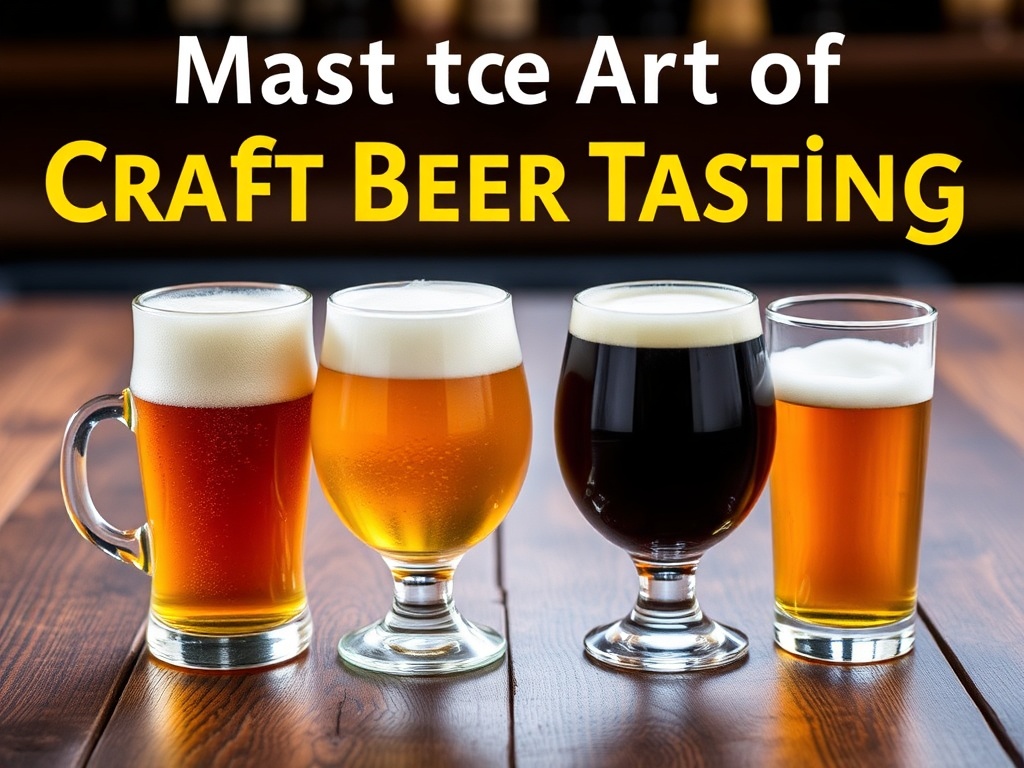
In my experience, selecting the right beers is the first step toward mastering craft beer tasting. When I began, I found that exploring a variety of styles—IPA, stout, pilsner, sour—helped me understand the broad spectrum of flavors. I recommend starting with beers that have distinct profiles, so you can train your palate to identify different aromas and tastes.
From what I’ve learned, visiting local breweries or specialty stores allows me to ask questions and get recommendations tailored to my preferences. I’ve discovered that having a diverse selection makes the craft beer tasting process more exciting and educational. Remember, the goal isn’t just to drink but to analyze and appreciate each brew’s unique characteristics.
Proper Tasting Equipment and Setup
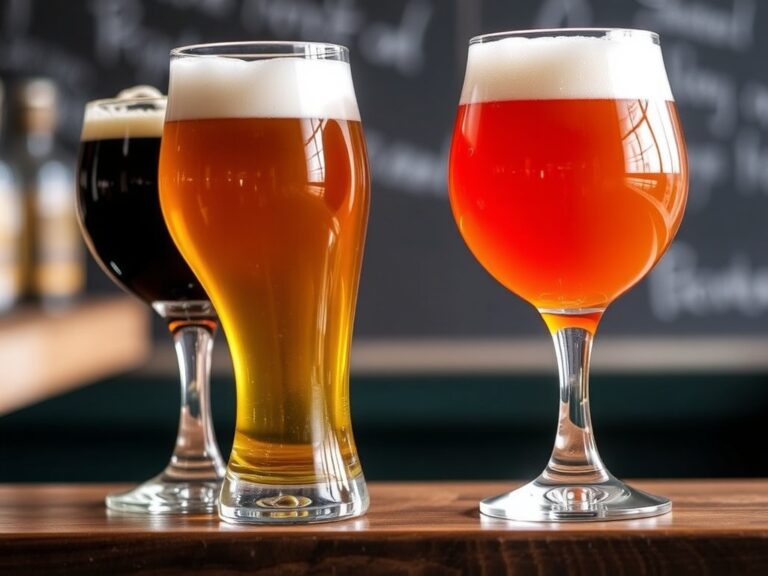
I’ve found that the right setup significantly enhances the craft beer tasting experience. I recommend using tulip glasses or snifters because their shape concentrates the aromas, making it easier to detect subtle notes. When I prepare for a tasting, I ensure my glasses are clean and free of any residual scents—this small detail makes a big difference.
From my research, temperature also plays a crucial role. I usually serve beers slightly colder than room temperature—around 45-55°F—since this preserves the aroma and flavor integrity. Setting up a quiet, well-lit space with a neutral background helps me focus entirely on the craft beer tasting process. I believe that creating the right environment elevates the entire experience and helps you notice details you might otherwise miss.
The Step-by-Step Craft Beer Tasting Process
In my experience, following a structured process makes craft beer tasting much more rewarding. I start by examining the beer’s appearance—its color, clarity, and head retention. Then, I gently swirl the beer to release its aromas, which I sniff carefully. I’ve found that noting the different scents—fruity, malty, spicy—helps me understand the beer better.
Next, I take a small sip, letting the beer coat my palate. I pay attention to the initial flavors, the body, and the finish. From what I’ve learned, tasting slowly and taking notes allows me to identify complex flavor profiles and appreciate the craft behind each brew. I recommend practicing this process regularly to hone your skills in craft beer tasting. It’s fun to compare notes over time and see how your palate evolves.
Refining Your Palate During Craft Beer Tasting
Developing Sensory Awareness
From my experience, developing a keen sense of smell and taste is vital for craft beer tasting. I’ve discovered that training my nose to pick up different aromas—like citrus, pine, caramel, or spices—has made a huge difference. I often smell the beer before tasting, trying to identify as many scents as possible, which primes my senses for the tasting itself.
I’ve found that keeping a tasting journal helps me track my progress. Writing down what I smell and taste, and whether I liked it, enables me to become more familiar with my preferences and the nuances of various beers. Over time, this practice enhances my ability to recognize subtle flavors and appreciate the complexity of craft brews. I highly recommend this approach if you want to elevate your craft beer tasting skills.
Tasting Techniques to Elevate Your Experience
In my opinion, the way you taste can significantly impact what you perceive. I’ve learned that taking small sips and holding the beer in my mouth for a few seconds allows me to fully experience its flavor profile. I recommend trying to identify different layers of taste—sweetness, bitterness, sourness—and how they interact.
From what I’ve discovered, pausing between sips and focusing on each element helps me deepen my understanding of the beer’s complexity. I also suggest pairing craft beers with different foods during craft beer tasting to see how flavors change and complement each other. This technique has opened my eyes to new flavor combinations and made the tasting process more dynamic and enjoyable.
Exploring Unique Flavors in Craft Beer Tasting
Uncovering Hidden Flavors and Aromas
In my experience, one of the most exciting parts of craft beer tasting is discovering hidden flavors. I’ve found that some beers reveal subtle notes only after multiple sips or when served at the perfect temperature. For example, a hoppy IPA might have underlying citrus or tropical fruit aromas that I initially missed.
From my research, I’ve learned that paying close attention during each tasting session helps me uncover these hidden layers. I recommend experimenting with different serving styles and glassware to see how they influence the aroma and flavor. The more I practice, the better I get at identifying complex nuances that make each craft beer unique. This exploration keeps my craft beer tasting adventures fresh and fascinating.
Pairing Flavors and Enhancing the Experience
I believe that food pairings can elevate your craft beer tasting to new heights. I’ve found that matching specific beers with cheeses, meats, or even desserts enhances the flavors and creates a more memorable experience. For instance, a rich stout pairs beautifully with dark chocolate, amplifying both flavors.
From what I’ve learned, I recommend trying different pairings during your craft beer tasting sessions to see what complements your palate best. Experimenting has taught me to appreciate the interplay of flavors and how they can bring out new aspects of both the beer and the food. It’s an enjoyable way to deepen your understanding of craft brews and elevate your appreciation for this craft.
Resources and Tips for Perfecting Your Craft Beer Tasting Skills
Recommended Books, Websites, and Courses
In my journey to perfect craft beer tasting, I’ve consulted many resources. I recommend books like “The Beer Bible” by Jeff Alworth and online platforms such as the Brewers Association website, which offer detailed insights into beer styles and tasting techniques. Attending workshops or courses at local breweries has also been invaluable in sharpening my skills.
From what I’ve gathered, continuous learning and hands-on practice are key. I’ve found that engaging with experienced brewers and fellow enthusiasts helps me pick up new tips and tricks. Incorporating these resources into my routine has significantly improved my craft beer tasting abilities, and I believe they’ll do the same for you.
Joining Tasting Events and Beer Festivals
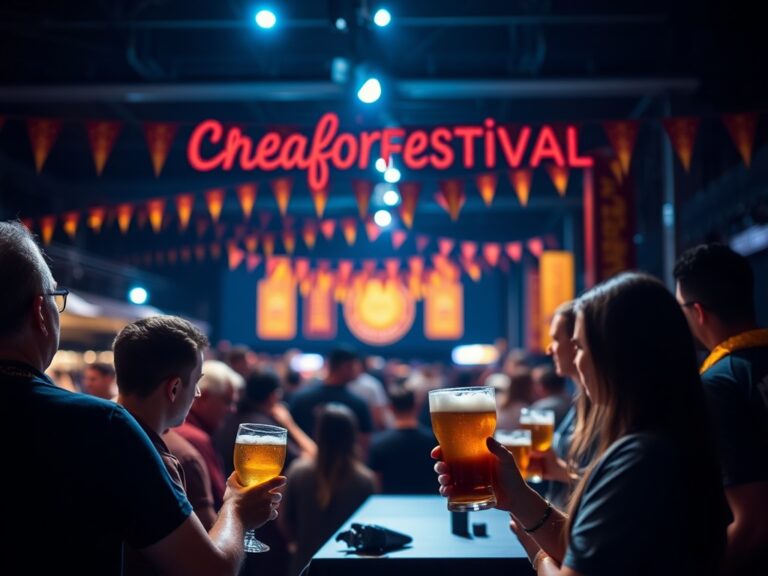
In my experience, participating in craft beer tasting events and festivals is one of the best ways to expand your knowledge. These gatherings offer a chance to try new brews, learn from industry experts, and connect with other enthusiasts. I recommend attending local festivals or brewery tours to immerse yourself in the craft beer community.
From what I’ve learned, these events provide invaluable exposure to diverse flavors and brewing techniques. They also offer practical tasting tips directly from the brewers themselves. I believe that actively participating in these experiences is essential for anyone serious about mastering craft beer tasting. It’s a fun, social, and educational way to elevate your palate and discover exclusive flavors.
References and Resources
Throughout my research on craft beer tasting, I’ve found these resources incredibly valuable. I recommend checking them out for additional insights:
Authoritative Sources on craft beer tasting
-
Brewers Association
brewersassociation.orgA leading industry resource providing comprehensive guides on beer styles, tasting techniques, and industry news, perfect for deepening your craft beer tasting knowledge.
-
CraftBeer.com
craftbeer.comThis site offers tasting tips, beer profiles, and pairing ideas that have greatly enhanced my craft beer tasting sessions.
-
BeerAdvocate
beeradvocate.comCommunity reviews and ratings help me discover new beers and learn from other enthusiasts’ craft beer tasting experiences.
-
Journal of Brewing Science
journalofbrewing.orgAcademic articles and research on brewing methods and sensory science have helped me understand the science behind craft beer tasting.
-
Craft Beer Industry
craftbeerindustry.comIndustry news, trends, and innovations that keep me updated on the latest in craft beer tasting and brewing techniques.
-
National Beer Tasting Society
nationalbeertasting.comA community platform where I share experiences, participate in tasting events, and find tips to improve my craft beer tasting skills.
-
Beverage Journal
beveragejournal.comOffers insights into tasting techniques, equipment, and industry trends that help refine my craft beer tasting approach.

Frequently Asked Questions
How can I improve my craft beer tasting skills?
In my experience, improving your craft beer tasting skills involves practicing regularly, keeping detailed notes, and expanding your knowledge through resources and community events. I recommend tasting a variety of styles and paying close attention to aromas, flavors, and mouthfeel. Over time, your palate will become more refined, allowing you to pick up on subtle nuances that make each beer special.
What are the best techniques for craft beer tasting?
From my research and personal experience, I believe that swirling the beer gently, sniffing deeply, and tasting slowly are essential techniques. I also suggest holding the beer in your mouth for a few seconds to analyze its full flavor profile. These methods help me uncover the complexity of each brew and elevate my craft beer tasting skills.
How do I start my journey in craft beer tasting?
To begin, I recommend exploring different beer styles, visiting local breweries, and investing in quality tasting glassware. I also suggest keeping a journal of your impressions and tasting notes. Engaging with experienced enthusiasts and participating in tasting events can accelerate your learning and enjoyment of craft beer tasting.
What resources are helpful for mastering craft beer tasting?
In my opinion, books like “The Beer Bible,” online courses from reputable breweries, and community forums such as BeerAdvocate are invaluable. I also recommend attending beer festivals and tasting events, which provide practical experience and insights from industry experts. These resources have helped me significantly improve my craft beer tasting abilities.
Conclusion
In conclusion, my research on craft beer tasting has shown that developing your palate and understanding the nuances of each brew is a rewarding journey. I hope this guide helps you approach craft beer tasting with confidence and curiosity. Based on my experience, practicing regularly, exploring diverse styles, and engaging with the community will unlock some of the most exclusive and memorable flavors in the world of craft beer.

Find out more information about “craft beer tasting”
Search for more resources and information:
Similar Posts
Discover the Best Craft Beer Fremantle Spots That Will Transform Your Tasting Journey
Discover the Best craft beer fremantle Spots That Will Transform Your Tasting Journey Table of Contents Introduction to Craft Beer Fremantle Top Craft Beer Fremantle Breweries You Must Visit Hidden Gems: Lesser-Known Craft Beer Fremantle Spots Why Craft Beer Fremantle Is a Brew Lover’s Paradise Practical Tips for Exploring Craft Beer Fremantle References and Resources…
Unlock the Ultimate Experience at the Craftbeerfestival: Your Guide to Unforgettable Moments and Flavor Discoveries
Unlock the Ultimate Experience at the craftbeerfestival: Your Guide to Unforgettable Moments and Flavor Discoveries Table of Contents Introduction to the Craftbeerfestival Experience Planning Your Visit to the Craftbeerfestival Must-Try Beers and Flavor Discoveries at the Craftbeerfestival Maximizing Your Enjoyment at the Craftbeerfestival Resources and Tips for Craftbeerfestival Enthusiasts References and Resources In my experience…
Elevate Your Beer Game with Barrel Brewing Company’s Innovative Techniques and Flavors
Table of Contents Introduction to Barrel Brewing Company The Art of Barrel Aging at Barrel Brewing Company Innovative Flavors and Techniques My Personal Journey with Barrel Brewing Company Resources and Further Learning References and Resources Introduction to Barrel Brewing Company In my experience, discovering a barrel brewing company that truly pushes the boundaries of traditional…